 Redose
NAD+ benefits are a central topic in longevity science right now, and for good reason. Nicotinamide adenine dinucleotide (NAD+) is a coenzyme found in every living cell, playing a fundamental role in energy production, DNA repair, and the regulation of proteins linked to healthy aging. Here is what the current evidence actually supports, where enthusiasm outpaces the data, and what you need to know about the ways people try to raise their NAD+ levels.
What Is NAD+ and Why Does It Decline?
NAD+ is a molecule your cells depend on to convert food into usable energy through processes like glycolysis and the citric acid cycle. Beyond energy metabolism, it acts as a substrate for a family of proteins called sirtuins (enzymes associated with stress resistance, inflammation control, and DNA repair) as well as PARPs, which help mend damaged DNA strands.
The inconvenient biological reality is that NAD+ levels fall significantly with age. Measurements in human tissue suggest levels in middle-aged and older adults can be roughly half those seen in younger people, though exact figures vary by tissue and study methodology. Animal models consistently show this decline tracks with hallmarks of aging: reduced mitochondrial efficiency, impaired DNA repair, and increased cellular stress. Whether reversing the decline in humans produces meaningful longevity effects is the core question researchers are still working to answer.
NAD+ Benefits: What the Evidence Shows
Cellular Energy and Mitochondrial Function
The most mechanistically solid case for NAD+ involves mitochondria. NAD+ is a required electron carrier in the mitochondrial respiratory chain; without adequate NAD+, cells cannot produce ATP efficiently. In rodent studies, supplementing with NAD+ precursors has restored mitochondrial function in aged muscle tissue and improved exercise capacity. Early human trials with NMN (nicotinamide mononucleotide) have shown improvements in muscle insulin sensitivity and walking speed in older adults, though sample sizes have been small.
DNA Repair and Genomic Stability
NAD+ is a direct fuel for PARP enzymes, which patch single- and double-strand DNA breaks. Under conditions of high oxidative stress (which increases with age), PARP activity can deplete NAD+ stores quickly. Preclinical research suggests that maintaining adequate NAD+ supports the cell's ability to repair this damage, though translating this to measurable human health outcomes remains an active area of investigation.
Sirtuin Activation and Aging Pathways
Sirtuins are sometimes called "longevity proteins." They require NAD+ to function, and their activity is linked to caloric restriction responses, inflammation modulation, and mitochondrial biogenesis. Boosting NAD+ is theorized to amplify sirtuin activity, which is why NAD+ research often appears alongside discussions of intermittent fasting and caloric restriction mimetics. The connection is biologically plausible and well-supported in model organisms; robust human clinical data is more limited.
Cognitive and Neuroprotective Effects
Neurological research in animal models has linked NAD+ decline to impaired synaptic function and neurodegenerative pathways. Some early human studies with NR supplementation have reported improvements in NAD+ levels in brain tissue (measured indirectly) and some cognitive metrics, but this area is far from settled science. Treating or preventing neurodegenerative disease with NAD+ precursors remains investigational.
A Summary of the Evidence Landscape
| Claimed Benefit | Evidence Strength | Notes |
|---|---|---|
| Raises blood NAD+ levels | Moderate (human trials) | NMN and NR consistently elevate blood NAD+ |
| Improves mitochondrial function | Strong (animal), early (human) | Human muscle data is promising but limited |
| DNA repair support | Preclinical | Mechanistically sound; human outcomes unclear |
| Sirtuin activation | Preclinical/theoretical | Human evidence limited |
| Cognitive function | Preliminary | Small trials; not definitive |
| Longevity extension | Animal models only | No human longevity data yet |
Delivery Methods: How People Boost NAD+
Oral Precursors (NMN and NR)
The most accessible route. Both NMN and NR are orally bioavailable precursors that the body converts into NAD+. Multiple placebo-controlled human trials have confirmed they raise NAD+ levels in blood. NMN has gained particular attention following research from Washington University showing improved muscle insulin sensitivity in postmenopausal women. Typical study doses range from 250 mg to 1,000 mg daily, though optimal human dosing is not established.
Sublingual NMN formulations have been marketed as higher-bioavailability alternatives to standard capsules, though head-to-head comparative data is sparse.
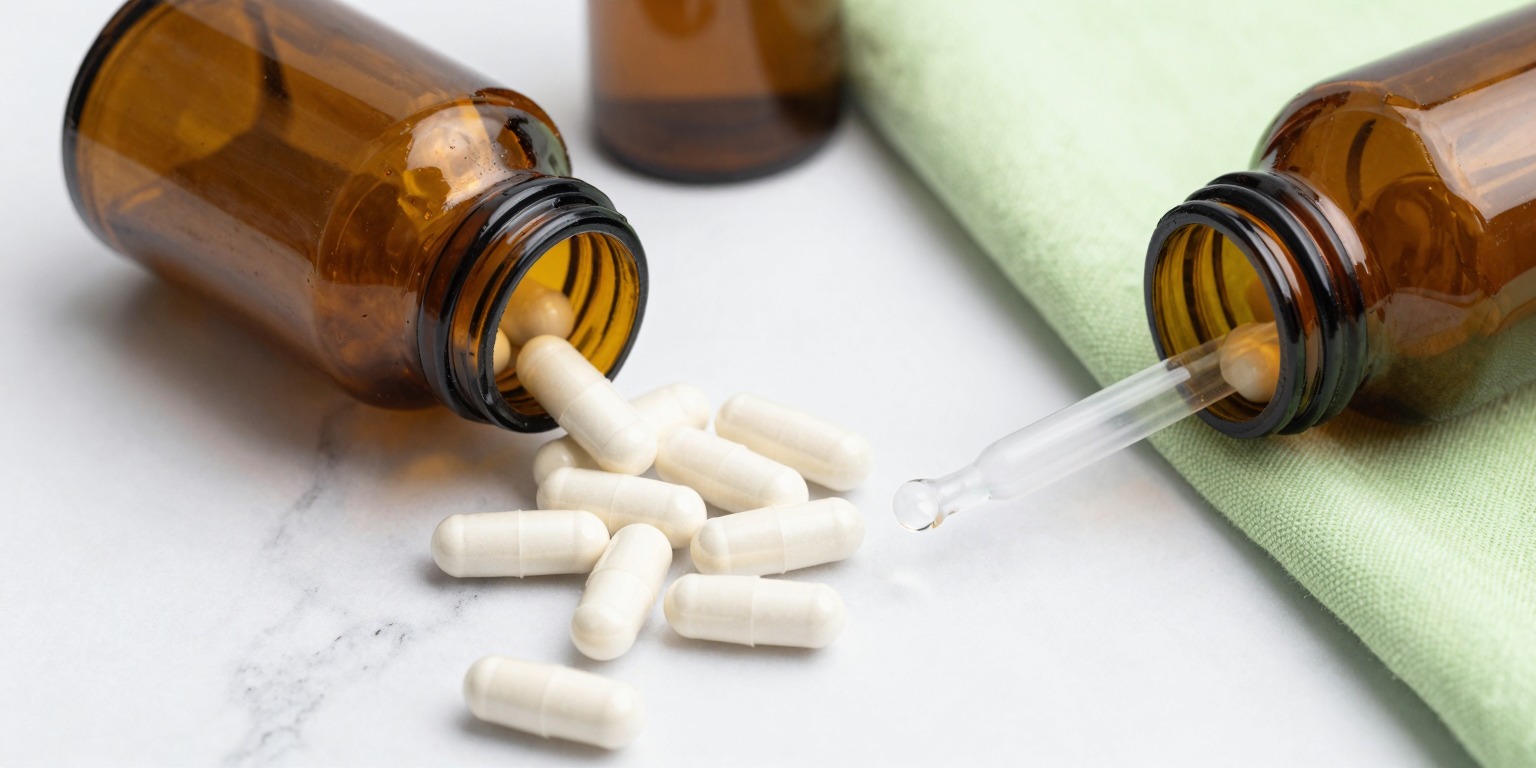 Oral NMN and NR supplements are the most accessible way to raise NAD+ levels, with multiple placebo-controlled trials confirming measurable increases in blood NAD+.
Intravenous (IV) NAD+
IV infusions deliver NAD+ directly into the bloodstream, bypassing the gut conversion step entirely. They are offered at longevity and wellness clinics and are sometimes used in addiction medicine contexts. IV NAD+ is not FDA-approved as a treatment for any condition. Side effects during infusion (nausea, chest tightness, headache) are commonly reported and generally resolve when the infusion rate is slowed. Cost and time commitment are significantly higher than oral supplementation, and rigorous clinical trials comparing IV to oral routes are lacking.
Lifestyle Inputs
It is worth noting that certain lifestyle factors measurably influence NAD+ metabolism. Exercise upregulates NAD+ biosynthesis pathways. Caloric restriction and fasting reduce NAD+ consumption by limiting PARP activation from metabolic stress. These are not replacements for direct supplementation research, but they are relevant context for anyone thinking about longevity from a systems perspective.
What the Science Does Not Yet Show
Enthusiasm in longevity circles sometimes moves faster than the evidence. A few honest caveats:
- No human lifespan data exists. Every longevity claim from NAD+ research traces back to animal studies or surrogate markers in humans, not demonstrated lifespan extension in people.
- Tissue-level NAD+ and blood NAD+ are not the same. Raising levels in circulation does not guarantee proportional increases in the organs where it matters most.
- Long-term safety is unknown. Most human trials run 8-12 weeks. Effects of multi-year supplementation are not well characterized.
- Individual variation is significant. Genetics, diet, gut microbiome composition, and baseline NAD+ status all influence response.
Track Your Protocol with Redose
If you are working with a clinician on any longevity or wellness protocol (whether that includes NAD+ precursors, peptides, or other compounds) staying consistent is essential for generating meaningful personal data. Redose lets you log doses in one tap, track vial inventory, and generate clean PDF reports you can share with your provider. No complicated setup.
Conclusion
The science behind NAD+ benefits is genuinely interesting and biologically grounded: the coenzyme is central to cellular energy and repair in ways that are not disputed. What remains early and uncertain is whether supplementing with precursors in healthy adults produces meaningful, lasting improvements in human health outcomes beyond marker-level changes. The most honest summary: mechanistically compelling, promising in animal models and early human trials, and worth watching as larger studies report results. Anyone considering NAD+ supplementation should do so in conversation with a qualified healthcare provider, especially regarding delivery method, dose, and any concurrent medications or conditions.
This article is educational information, not medical advice. Talk to a qualified healthcare provider before starting any protocol.