 Redose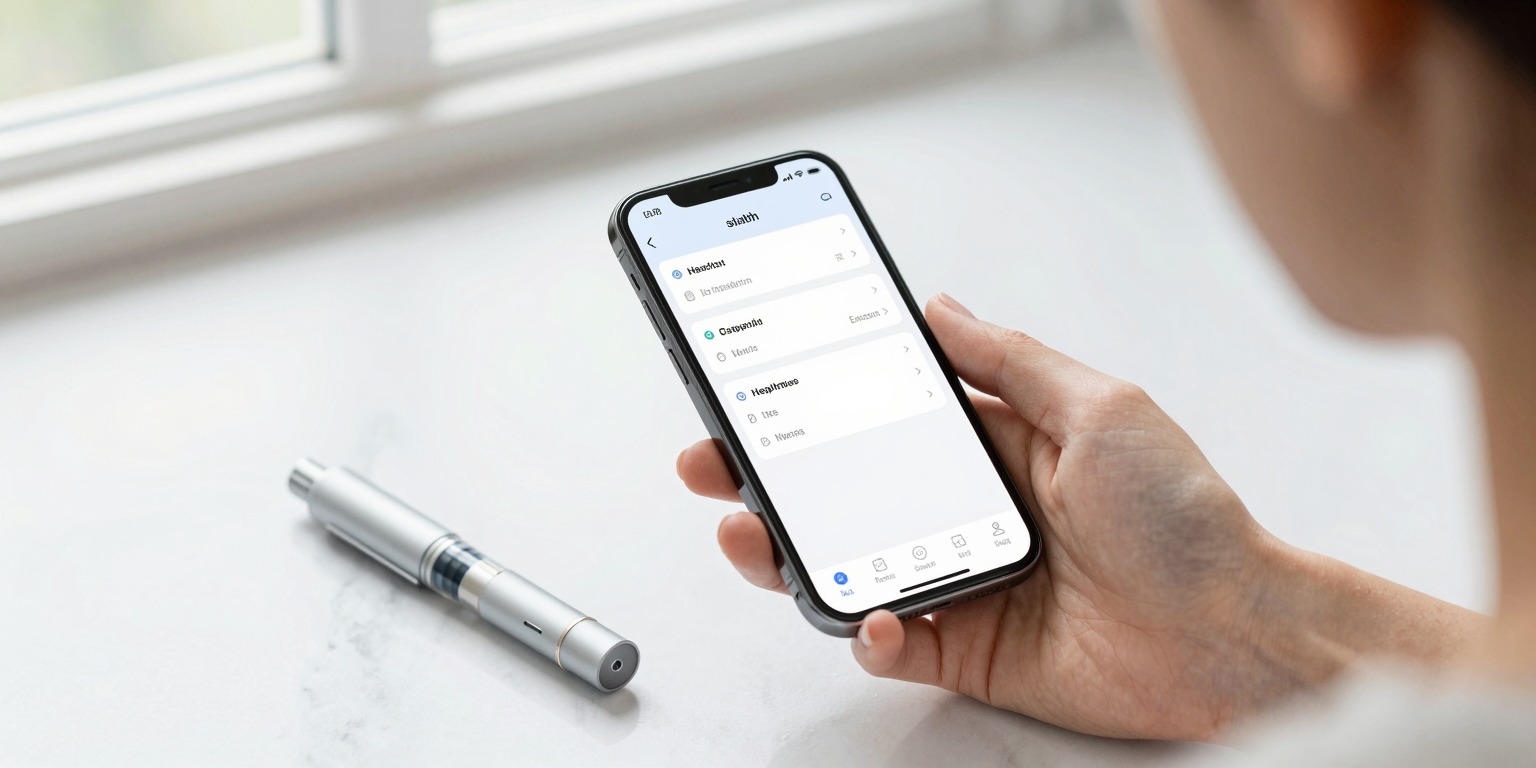
GLP-1 receptor agonists are increasingly used off-label by people managing PCOS, particularly those dealing with insulin resistance and metabolic symptoms alongside the hormonal picture. Staying consistent with weekly injections, dose titration, and symptom monitoring takes real organization. Redose is a cross-platform tracking app (iPhone and Android) built to make that consistency effortless. Because GLP-1 protocols touch more than just injections, Redose also logs calories, food, macros, and water alongside your doses, so you do not need a separate nutrition app cluttering your phone.
What is a GLP-1 for PCOS
Polycystic ovary syndrome (PCOS) is a hormonal condition affecting roughly one in ten women of reproductive age. A significant subset experience insulin resistance, which contributes to weight gain and worsens hormonal imbalances. GLP-1 (glucagon-like peptide-1) receptor agonists, originally developed for type 2 diabetes, work by stimulating insulin secretion in response to meals, slowing gastric emptying, and reducing appetite signaling in the brain.
Physicians sometimes prescribe GLP-1 medications such as semaglutide (Ozempic, Wegovy) or tirzepatide (Mounjaro, Zepbound) off-label for people with PCOS when insulin resistance or weight is a primary concern. These medications are not FDA-approved for PCOS itself, and the evidence base is still growing. That said, real-world use is rising, which means more people need a structured way to manage injections, track titration schedules, and document how their body responds.
Typical reported schedules involve a once-weekly subcutaneous injection, often starting at a low dose and stepping up every four weeks until a maintenance level is reached. Side effects like nausea, fatigue, and appetite changes are common early on and tend to improve. Journaling these patterns helps both the patient and prescriber make informed decisions about pacing the titration.
How Redose does it
Redose handles the full workflow from first injection to doctor visit, without requiring you to juggle spreadsheets or paper logs.
One-tap dose logging. Open the app, tap your protocol, confirm the dose. Redose timestamps it and adds it to your adherence record. No typing required for routine logs.
Body-map injection-site rotation. GLP-1 pens are injected subcutaneously, typically into the abdomen, thigh, or upper arm. Redose's interactive body map lets you mark the exact site used each session. The app tracks recent sites and suggests rotation to avoid overusing any area, which helps reduce skin irritation over time.
Titration-aware vial and pen inventory. Enter your current pen or vial details once. Redose calculates doses remaining, accounts for dose increases during titration, and sends a reorder reminder before you run out. No more scrambling to refill at the last minute. For compound peptide vials, the free reconstitution calculator walks you through BAC water dilution step by step.
Symptom and side-effect journal. Log nausea, fatigue, appetite changes, mood, or any other symptom with a tap. Add a free-text note when something stands out. Over time, these entries reveal patterns: which titration step caused the most disruption, when side effects leveled off, and how your energy and weight are trending together.
Weight, food, and health sync. Redose syncs with Apple Health (iPhone) and Google Health Connect (Android) to pull in weight, activity, and nutrition data. Seeing your GLP-1 adherence alongside broader health metrics gives a fuller picture of how the protocol is working.
Doctor-ready PDF export. Before any appointment, export a clean summary of your dose history, symptom journal, and weight trend. Hand it to your prescriber in seconds, no screenshot collage needed.
Track your food and water too
GLP-1 medications suppress appetite, which is often the goal, but it also makes it easy to under-eat protein and forget to drink enough water. Both matter for maintaining muscle during weight loss and for keeping side effects like headaches manageable. Redose lets you log meals, calories, and macros in the same app where you record your injections, so you can see at a glance whether your protein and calorie intake are on track for the day. You can also track daily water intake with a simple tap interface and set a reminder if you tend to fall short. Everything, doses, food, water, and weight, trends together in one place, which makes it easier to spot connections between your nutrition habits and how you feel on any given week.
Why it matters
PCOS management is long-game work. GLP-1 titration alone can take three to six months to reach a stable dose. During that window, what you log shapes every clinical decision: whether to speed up or slow down titration, which symptoms warrant attention, and whether the protocol is producing the metabolic changes your prescriber is looking for.
An app that removes friction from daily logging is the difference between a complete record and a best-guess reconstruction. Consistent data gives you and your doctor more to work with. It also keeps you honest about adherence, which matters because GLP-1 medications work best when taken on a predictable schedule.
Beyond logging, tools like the dose tracker and related resources for Wegovy users or tirzepatide users give you a starting point for understanding how others structure similar protocols. Every protocol is individual, but shared frameworks help.
Redose is free to start. Download the app and set up your first protocol in under two minutes. Your first tap is logged before you put the phone down.
Redose is a tracking tool, not medical advice.