 Redose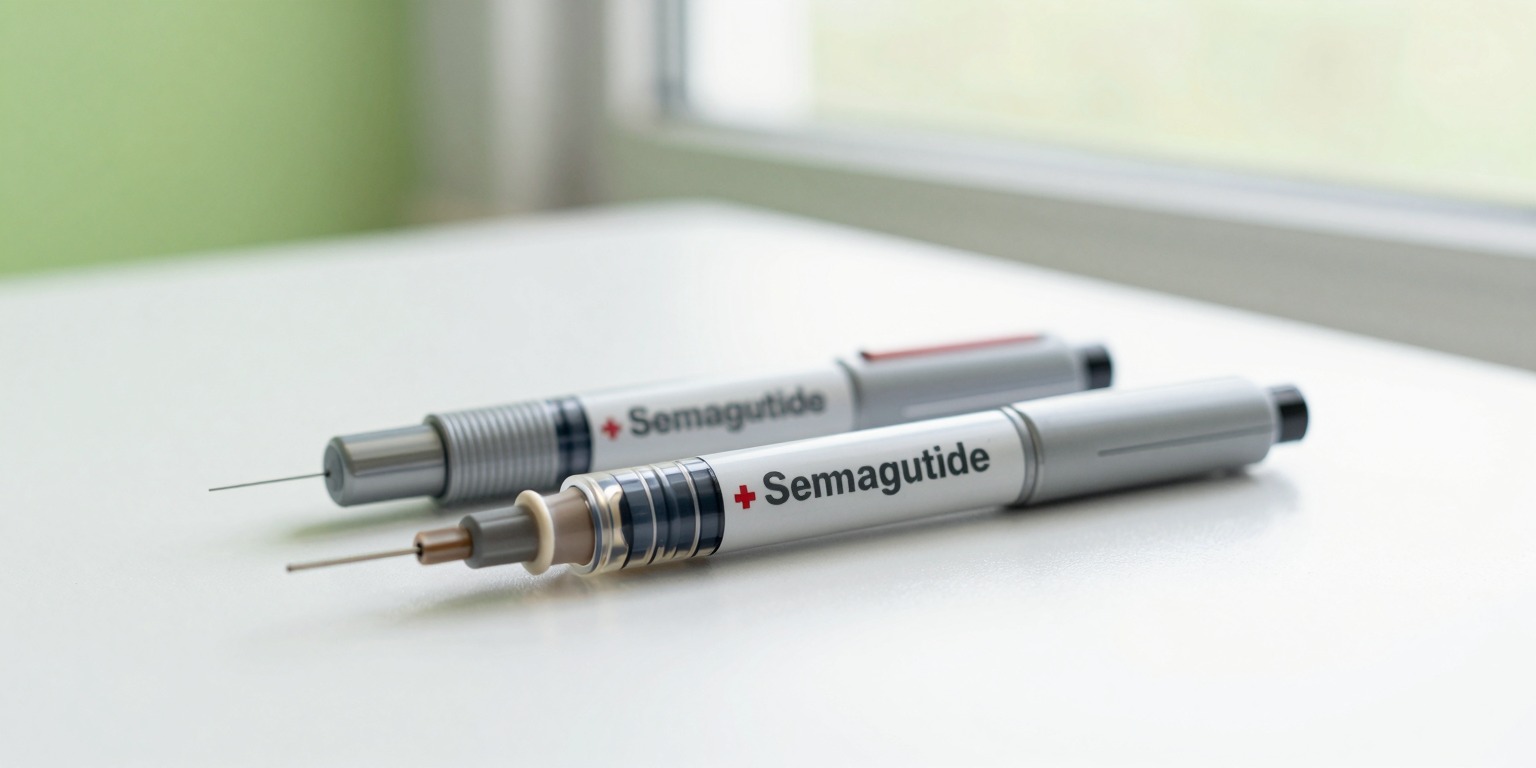
Ozempic vs Wegovy is one of the most common questions people have when exploring GLP-1 receptor agonist therapy. The confusion is understandable, because both medications contain the exact same active ingredient. The practical differences come down to FDA-approved indication, dosing ceiling, and the clinical context in which each is prescribed.
The Short Answer
Both Ozempic and Wegovy are brand names for semaglutide, a glucagon-like peptide-1 (GLP-1) receptor agonist developed by Novo Nordisk. They work through an identical mechanism. The distinction is regulatory and clinical: Ozempic is approved for type 2 diabetes, while Wegovy is approved for chronic weight management in adults with obesity or overweight with a weight-related condition. The Wegovy approval also comes with a higher weekly maintenance dose.
How They Work: Shared Mechanism
Semaglutide mimics a naturally occurring gut hormone, GLP-1, that is released after eating. When the GLP-1 receptor is activated, several things happen:
- The pancreas releases more insulin in response to rising blood sugar (glucose-dependent).
- Glucagon secretion is suppressed, reducing liver glucose output.
- Gastric emptying slows, contributing to a prolonged feeling of fullness.
- Appetite signals in the brain are dampened.
Because type 2 diabetes and obesity both involve disrupted glucose and appetite regulation, the same molecule addresses both conditions. That is why both Ozempic and Wegovy exist at all.
Side-by-Side Comparison
| Feature | Ozempic | Wegovy |
|---|---|---|
| Active ingredient | Semaglutide | Semaglutide |
| Manufacturer | Novo Nordisk | Novo Nordisk |
| FDA-approved indication | Type 2 diabetes (adults) | Chronic weight management (adults + adolescents ≥12) |
| Dosing format | Weekly subcutaneous injection | Weekly subcutaneous injection |
| Starting dose | 0.25 mg/week for 4 weeks | 0.25 mg/week for 4 weeks |
| Maintenance dose | 0.5 mg or 1 mg/week; max 2 mg/week | 2.4 mg/week |
| Titration schedule | Gradual up-titration every 4 weeks | Gradual up-titration over ~16-20 weeks |
| Key clinical evidence | SUSTAIN trial program (HbA1c reduction, CV outcomes) | STEP trial program (5-15%+ mean body weight reduction) |
| Common side effects | Nausea, vomiting, diarrhea, constipation | Same, potentially more pronounced at higher doses |
| Best for | Adults with type 2 diabetes; HbA1c control with weight benefit | Adults/adolescents with obesity or overweight + comorbidity |
Dosing in Practice
Both products start at 0.25 mg once weekly for the first four weeks. This low starting dose is deliberate: it allows the body to adjust and reduces the severity of early gastrointestinal side effects. From there, both titrate upward every four weeks.
Ozempic typically plateaus at 0.5 mg or 1 mg weekly for most diabetes patients. The 2 mg dose was added later for patients who need additional glycemic control.
Wegovy continues titrating beyond Ozempic's standard doses, ultimately reaching 2.4 mg weekly. That extra 0.4 mg compared to Ozempic's max correlates with the more pronounced weight loss seen in the STEP trial program, where participants lost an average of roughly 15% of body weight over 68 weeks. That result was more robust than what earlier Ozempic diabetes trials showed at lower doses.
 Both Ozempic and Wegovy are administered as once-weekly subcutaneous injections using a pre-filled pen device.
Clinical Evidence: What the Trials Show
Ozempic (SUSTAIN program): Multiple randomized trials demonstrated significant HbA1c reductions and clinically meaningful weight loss compared to placebo and active comparators. The SUSTAIN-6 trial also showed cardiovascular benefit: a reduced rate of major adverse cardiovascular events, leading to an additional cardiovascular risk-reduction label.
Wegovy (STEP program): The STEP 1 trial (68 weeks, adults with obesity) showed approximately 14.9% mean body weight reduction vs. 2.4% with placebo. STEP 4 showed that discontinuing semaglutide led to weight regain, reinforcing that the medication works while being taken. Adolescent data from STEP TEENS showed similar directional results.
Both programs are large, placebo-controlled, and peer-reviewed. Neither drug is investigational; both carry full FDA approval for their respective indications.
The Off-Label Question
Because Ozempic is more widely available and has been on the market longer, it is sometimes prescribed off-label for weight loss. Clinically, the lower maximum dose (compared to Wegovy's 2.4 mg) means the weight loss effect may be less pronounced than what the STEP trials demonstrated. Wegovy was specifically developed and dosed for the weight management indication.
If you are exploring semaglutide specifically for weight management, a prescriber working within the on-label framework would typically reach for Wegovy where it is available and covered.
Side Effects and Tolerability
The side effect profile is essentially the same, since the molecule is identical:
- Most common: Nausea, vomiting, diarrhea, constipation, abdominal pain. Most GI effects are dose-dependent and tend to decrease after the initial titration period.
- Less common but notable: Headache, fatigue, dizziness, injection site reactions.
- Warnings on both labels: Potential risk of thyroid C-cell tumors (observed in rodent studies; clinical relevance in humans is unclear but both carry a boxed warning); pancreatitis risk; not for use in patients with personal or family history of medullary thyroid carcinoma or MEN2.
Neither drug is appropriate for type 1 diabetes, nor as a first-line treatment in diabetic ketoacidosis.
Keeping Track of Dosing
Weekly injectables require consistent tracking, especially during the titration phase when doses change every four weeks. Missing a dose, doubling up, or losing track of which pen you are on are practical problems that come up often.
Track this with Redose. The app logs each injection with date, dose, and site, and reminds you when your next dose is due. It also tracks inventory so you know when to request a refill before you run out. Free to download at /#download.
If you are also working with reconstituted peptides alongside a GLP-1 protocol, the free calculators at /calculators handle reconstitution and dosing math in one place.
Conclusion
Ozempic and Wegovy are the same molecule (semaglutide) deployed at different doses for different regulatory purposes. Ozempic is the diabetes drug; Wegovy is the weight management drug. Wegovy's higher maintenance dose (2.4 mg vs 2 mg max for Ozempic) is the primary practical difference, and it accounts for the stronger average weight loss seen in Wegovy's clinical trials. Which one a prescriber recommends depends on your diagnosis, goals, insurance coverage, and individual tolerability. That conversation belongs with a qualified clinician.
This article is educational information, not medical advice. Talk to a qualified healthcare provider before starting any protocol.