 Redose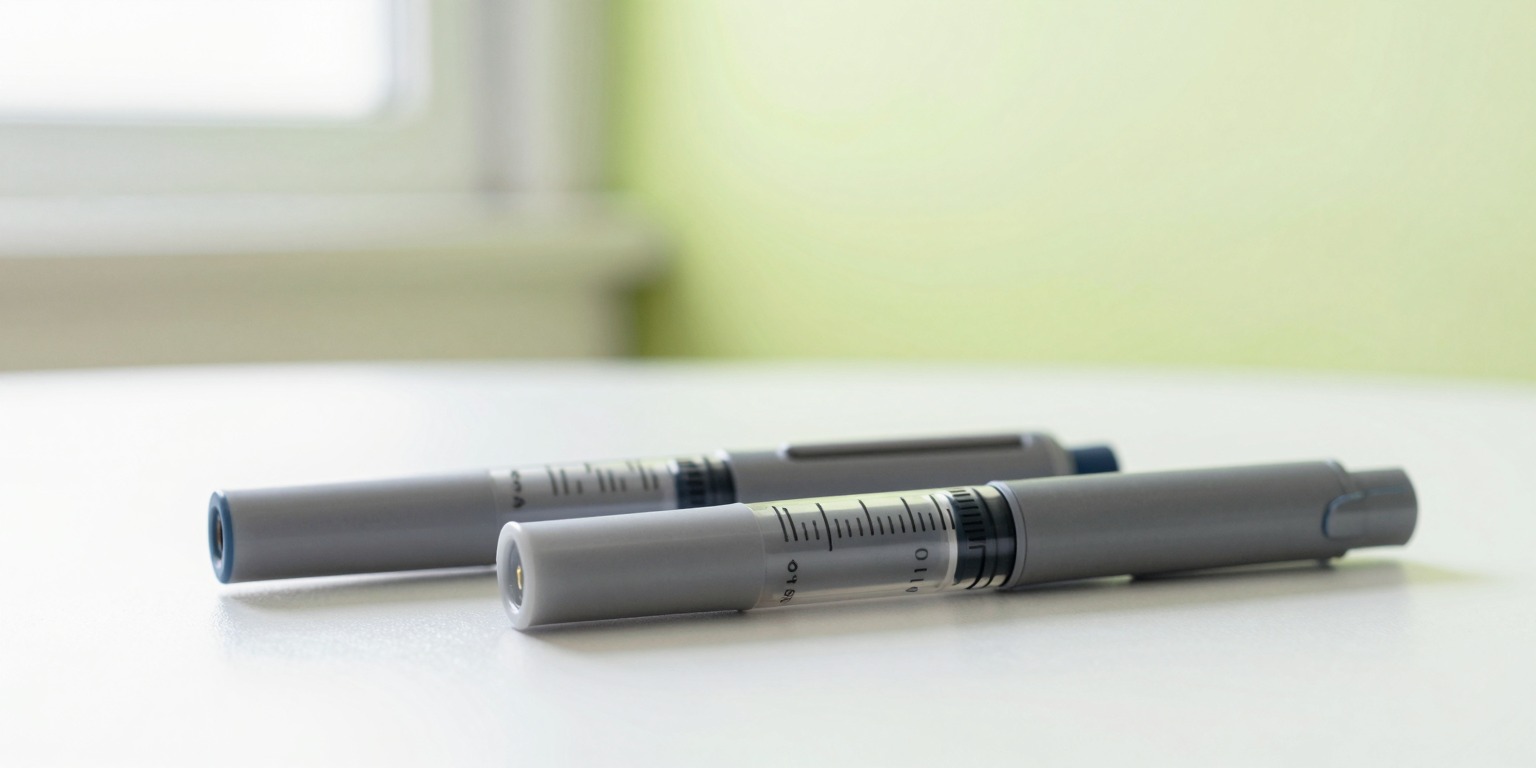
When comparing semaglutide vs tirzepatide, both belong to a class of injectable medications that mimic gut-derived hormones to regulate blood sugar and appetite, but they differ in how many receptors they target, how potent the weight-loss effect appears to be in trials, and which patients each tends to suit best. Understanding those differences can help you have a more informed conversation with your prescribing provider.
What They Are and Why They're Being Compared
Both drugs are subcutaneous, once-weekly injections used in the management of type 2 diabetes and, at higher doses, chronic weight management. They rose to widespread attention after clinical trials showed weight-loss outcomes that outpaced most previous pharmacological options.
Neither is a peptide in the research-compound sense: both are FDA-approved prescription medications. They are not interchangeable without medical oversight, and neither is appropriate for casual self-administration.
Mechanism of Action
This is where the two drugs diverge most clearly at a biological level.
Semaglutide is a GLP-1 receptor agonist. GLP-1 (glucagon-like peptide-1) is a hormone secreted in the gut after eating. It stimulates insulin release, suppresses glucagon, slows gastric emptying, and, critically for weight management, signals satiety to the brain. Semaglutide is a modified analog of human GLP-1 engineered to resist enzymatic breakdown, giving it a half-life suitable for once-weekly dosing.
Tirzepatide is a dual GIP/GLP-1 receptor agonist, sometimes called a "twincretin." It activates both the GLP-1 receptor and the GIP (glucose-dependent insulinotropic polypeptide) receptor. GIP normally stimulates insulin release after meals and may play a role in fat storage and energy expenditure. The combined activation appears to produce additive or synergistic metabolic effects, which is reflected in trial data.

Both semaglutide and tirzepatide are administered as once-weekly subcutaneous injections, with doses titrated gradually over several months.
Efficacy and Clinical Evidence
Both drugs have large, well-designed phase 3 trial programs.
Semaglutide (Wegovy, 2.4 mg/week): The STEP trial series demonstrated mean weight loss of approximately 15% of body weight over 68 weeks in adults with obesity, alongside meaningful improvements in cardiovascular risk markers. The SELECT trial (2023) showed a significant reduction in major adverse cardiovascular events in people with established cardiovascular disease and overweight/obesity, a notable finding beyond weight loss alone.
Tirzepatide (Zepbound, up to 15 mg/week): The SURMOUNT trial series reported mean weight loss ranging from roughly 15% to over 20% of body weight at the highest doses over 72 weeks, with higher responder rates than seen with semaglutide in its own trials. The direct head-to-head SURMOUNT-5 trial found tirzepatide produced greater weight loss than semaglutide (at the doses studied), though both drugs showed clinically meaningful results.
Early research also suggests both improve markers of metabolic syndrome, fatty liver, and sleep apnea, and tirzepatide's cardiovascular outcomes trial program is ongoing.
Dosing Overview
Both drugs follow a slow titration schedule, starting low and increasing dose every four weeks, to minimize gastrointestinal side effects.
| Semaglutide | Tirzepatide | |
|---|---|---|
| Brand names | Ozempic, Wegovy, Rybelsus | Mounjaro, Zepbound |
| Route | Subcutaneous injection (oral tablet for Rybelsus) | Subcutaneous injection |
| Frequency | Once weekly | Once weekly |
| Starting dose | 0.25 mg/week | 2.5 mg/week |
| Maintenance dose range | 1-2.4 mg/week (indication-dependent) | 5-15 mg/week (indication-dependent) |
| Titration interval | Every 4 weeks | Every 4 weeks |
Dose escalation should always follow a prescriber's guidance. Missing injections, self-adjusting doses, or skipping titration steps increases the risk of side effects or inadequate response.
Side Effect Profile
The side-effect profiles overlap considerably because both drugs act on GLP-1 receptors in the gastrointestinal tract.
Common to both:
- Nausea (most common, especially during titration)
- Vomiting
- Diarrhea or constipation
- Reduced appetite (partly the intended effect)
- Injection site reactions
Less common but important:
- Gastroparesis-like delayed gastric emptying (with chronic use)
- Pancreatitis (rare; both carry a class warning)
- Thyroid C-cell tumor risk in rodent studies: both carry a boxed warning; not confirmed in humans but neither is indicated in patients with a personal or family history of medullary thyroid carcinoma or MEN2
- Gallbladder disease (with rapid weight loss generally)
Side effects tend to be most pronounced during dose escalation and often improve once the body adapts. Slowing titration is a common strategy for managing nausea. Neither drug should be used in pregnancy.
Quick Comparison Table
| Semaglutide | Tirzepatide | |
|---|---|---|
| Mechanism | GLP-1 receptor agonist | Dual GIP + GLP-1 receptor agonist |
| FDA approvals | T2D (Ozempic), obesity (Wegovy), oral T2D (Rybelsus) | T2D (Mounjaro), obesity (Zepbound) |
| Typical weight loss (trials) | ~15% body weight (STEP program) | ~15-21% body weight (SURMOUNT program) |
| Cardiovascular outcome data | Yes (SELECT trial, reduced MACE) | Ongoing (SURPASS-CVOT) |
| Side effects | GI-dominant; shared class warnings | GI-dominant; shared class warnings |
| Cost/availability | Widely available; compounded versions during shortage | Expanding availability; compounded versions during shortage |
| Best for | Established CV disease + obesity; those preferring a longer track record | Patients prioritizing maximum weight loss potential; T2D with insulin resistance |
Who Each Drug May Suit
These are general patterns from trial data. Individual suitability depends on your full medical history and your provider's assessment.
Semaglutide may be preferred when:
- Cardiovascular outcomes data is a priority (SELECT trial results are in hand)
- An oral option is desired (Rybelsus, though lower efficacy than injectable)
- A longer prescribing track record matters
- Insurance or cost considerations favor it
Tirzepatide may be preferred when:
- Maximum weight-loss potential is the primary goal
- Type 2 diabetes management is the indication and dual-receptor effects on insulin secretion are beneficial
- Prior GLP-1 therapy produced insufficient results (though switching should always be guided by a provider)
Track This with Redose
If you're managing a protocol that includes weekly injections, tracking dose timing, titration milestones, and injection site rotation matters. Skipping or doubling up on a dose is easy to do without a record. The Redose app lets you log each injection with one tap, rotate injection sites automatically, and keep a clean history you can share with your provider.
Conclusion
The semaglutide vs tirzepatide comparison comes down primarily to receptor mechanism and, in available trial data, a modest but measurable efficacy advantage for tirzepatide at higher doses. Both are well-studied prescription medications with meaningful evidence behind them. The right choice depends on your medical history, your treatment goals, your insurance coverage, and what your prescribing provider recommends for your specific situation.
This article is educational information, not medical advice. Talk to a qualified healthcare provider before starting any protocol.