 Redose
Choosing the best GLP-1 for weight loss depends on efficacy data, your health profile, and what you can realistically access. This guide compares the leading approved GLP-1 and GIP/GLP-1 receptor agonists (semaglutide, tirzepatide, and liraglutide) so you can have a more informed conversation with your prescribing clinician.
Quick Comparison
| Medication | Brand (weight loss) | Mechanism | Typical peak dose | Avg. weight loss (trials) |
|---|---|---|---|---|
| Semaglutide | Wegovy | GLP-1 agonist | 2.4 mg/week (SC) | ~15% body weight |
| Tirzepatide | Zepbound | GIP + GLP-1 agonist | 15 mg/week (SC) | ~20-22% body weight |
| Liraglutide | Saxenda | GLP-1 agonist | 3.0 mg/day (SC) | ~5-8% body weight |
SC = subcutaneous injection. Averages from phase 3 pivotal trials; individual results vary.
Semaglutide (Wegovy): The Most Established Option
Semaglutide is a GLP-1 receptor agonist that mimics the gut hormone GLP-1, slowing gastric emptying and reducing appetite signals in the brain. It was the first weekly injectable specifically FDA-approved for chronic weight management (2021) under the brand name Wegovy.
Efficacy
The STEP 1 trial, the pivotal study for Wegovy's approval, found that adults with obesity who received semaglutide 2.4 mg weekly lost an average of about 14.9% of their body weight over 68 weeks, compared with 2.4% on placebo. Secondary analyses showed meaningful improvements in waist circumference, blood pressure, and blood sugar. More recently, the SELECT cardiovascular outcomes trial found semaglutide reduced major adverse cardiovascular events in people with overweight and established heart disease, leading to an expanded label in 2024.
Dosing
Wegovy follows a structured titration schedule: patients start at 0.25 mg weekly for four weeks, then step up every four weeks (0.5 mg, 1 mg, 1.7 mg) before reaching the 2.4 mg maintenance dose. The slow ramp is intentional; rushing the escalation is one of the main reasons people experience persistent nausea. Ozempic (semaglutide for diabetes, up to 2 mg) is sometimes prescribed off-label for weight loss, though Wegovy's 2.4 mg dose is what the weight-loss clinical program studied.
Access
Wegovy has faced significant supply shortages since launch. A biosimilar era is beginning in the US, which may improve availability and cost over time. Compounded semaglutide became widely available during shortage periods; the FDA has noted concerns about quality and dosing accuracy with compounded versions.
Tirzepatide (Zepbound): Highest Efficacy in Trials
Tirzepatide is a dual GIP and GLP-1 receptor agonist, the first of its class. By activating both the glucose-dependent insulinotropic polypeptide (GIP) receptor and the GLP-1 receptor, it appears to produce additive or synergistic effects on appetite suppression and metabolic signaling. It was FDA-approved for weight management under the brand name Zepbound in late 2023.
Efficacy
The SURMOUNT-1 trial is the key data point: participants receiving tirzepatide 15 mg weekly lost an average of about 20.9% of body weight over 72 weeks, among the highest figures ever recorded in a large obesity pharmacotherapy trial. Even the lowest studied dose (5 mg) outperformed placebo by a wide margin. Head-to-head comparative data against semaglutide continues to emerge, but the phase 3 results consistently show tirzepatide at the top dose producing greater average weight loss than semaglutide at its top dose. See our semaglutide vs tirzepatide comparison for a deeper side-by-side.
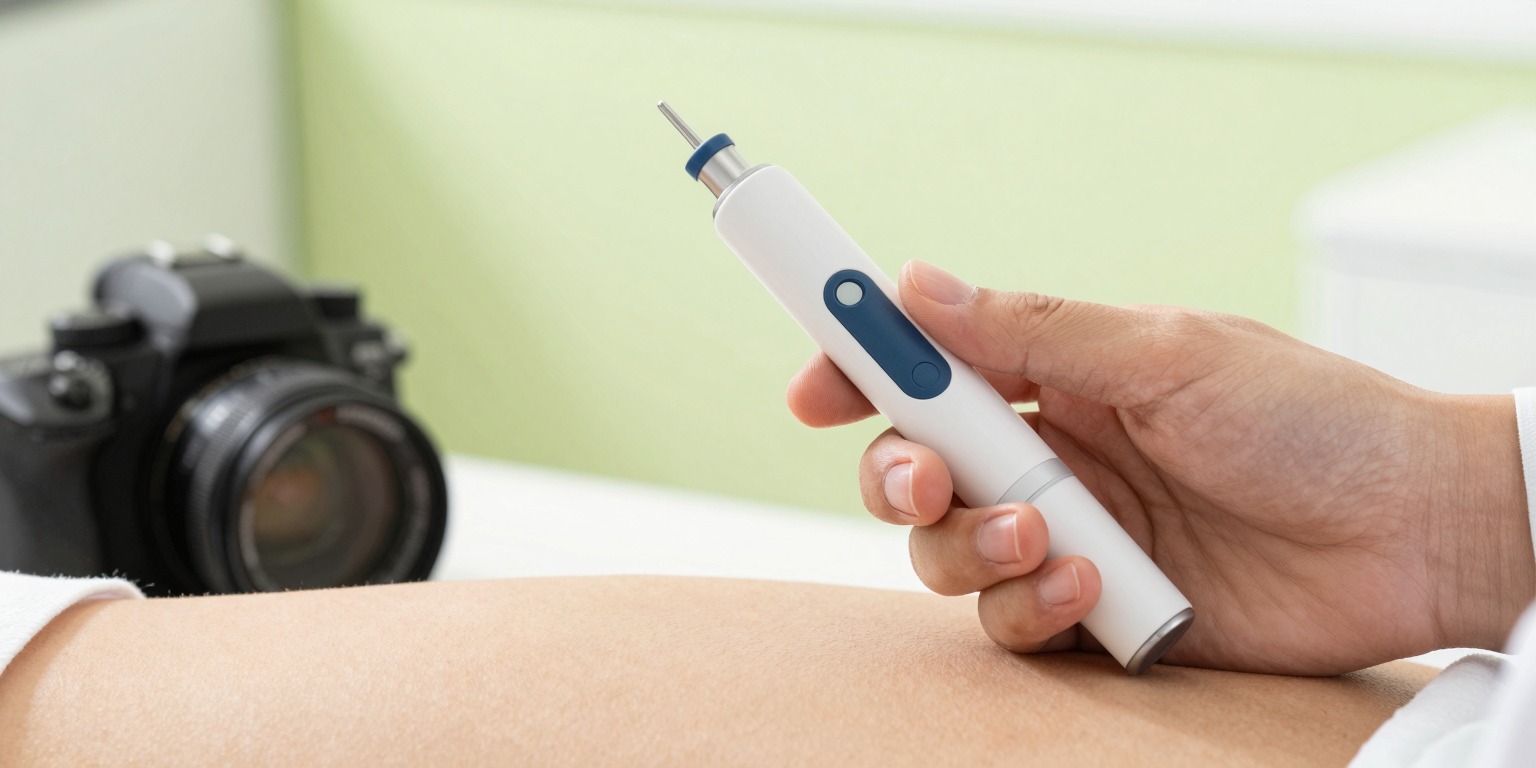 Tirzepatide and semaglutide are both administered as once-weekly subcutaneous injections using autoinjector pens.
Dosing
Tirzepatide also uses a slow titration: 2.5 mg weekly for four weeks, stepping up by 2.5 mg every four weeks to a maximum of 15 mg. The injection pen is available in individual single-dose autoinjectors. Mounjaro is the same molecule approved for type 2 diabetes; Zepbound is the weight-loss-labeled version.
Access
Tirzepatide has also experienced supply constraints. Manufacturer savings programs exist for commercially insured patients, but cost without insurance remains high. As with semaglutide, compounded versions circulate with the same quality and accuracy caveats.
Liraglutide (Saxenda): Daily Injection, Older Data
Liraglutide (Saxenda) was the first injectable GLP-1 approved for weight management (2014). It requires a daily subcutaneous injection rather than weekly, which is a meaningful adherence barrier compared to the weekly options above.
Efficacy
Phase 3 data showed approximately 5-8% average weight loss at 3.0 mg/day over 56 weeks, substantially less than what has been observed with weekly semaglutide or tirzepatide. Liraglutide remains an option for patients who cannot access or tolerate the newer agents, and it has the longest real-world safety track record in this class.
Dosing
Titration starts at 0.6 mg/day, increasing by 0.6 mg weekly until reaching 3.0 mg/day. The daily injection schedule and the smaller weight-loss effect relative to newer drugs have made it less preferred when alternatives are available.
Oral Semaglutide (Rybelsus): Not Approved for Weight Loss
It is worth noting that Rybelsus (oral semaglutide) is FDA-approved for type 2 diabetes only, not for weight management. While weight loss does occur as a side effect, the pivotal weight-loss program (OASIS) used a higher investigational oral dose not available in the current product. Do not assume oral semaglutide will produce the same results as Wegovy.
What to Weigh Before Starting
All GLP-1 and GLP-1/GIP medications require a prescription and clinical oversight. Key considerations beyond efficacy:
- Side effects: Nausea, diarrhea, constipation, and vomiting are common during titration. Most improve with time or by slowing the dose escalation.
- Contraindications: A personal or family history of medullary thyroid carcinoma or multiple endocrine neoplasia syndrome type 2 is a contraindication based on animal data (human risk not established). Both compound classes carry this warning.
- Long-term use: Current evidence suggests weight returns when the medication is stopped in most patients. These are long-term treatments, not short courses.
- Cost and coverage: Insurance coverage is inconsistent. Out-of-pocket costs can be substantial without a savings program.
For dosing math (unit conversions, concentration calculations, and how much is left in a vial), the free Redose calculators at /calculators can help you verify numbers before each injection.
Track This with Redose
If you are on a GLP-1 protocol, the Redose app lets you log each weekly injection in one tap, track where you are in the titration schedule, rotate injection sites to reduce local reactions, and get a clear view of remaining doses in your current pen. No spreadsheet required.
Conclusion
The best GLP-1 for weight loss by efficacy in clinical trials is tirzepatide (Zepbound), followed closely by semaglutide (Wegovy). Liraglutide (Saxenda) remains a valid alternative with the longest track record. Your prescribing clinician should guide the choice based on your health history, current medications, insurance coverage, and tolerance. The differences in average weight loss between agents are meaningful, but so are the individual factors that determine whether any medication works and remains tolerable over time.
This article is educational information, not medical advice. Talk to a qualified healthcare provider before starting any protocol.