 Redose
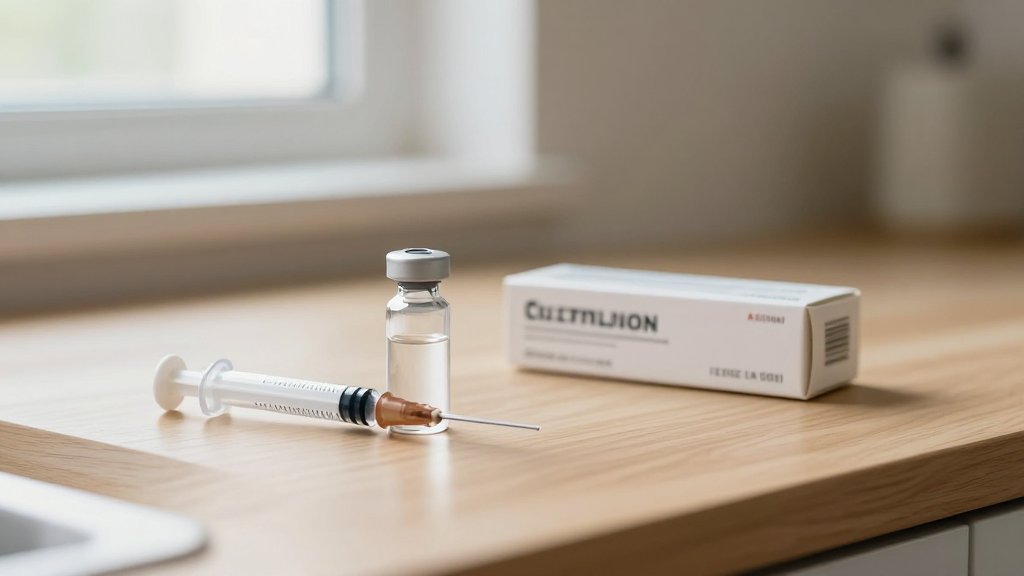
A four-week supply of Zepbound vials from LillyDirect costs $449 at the 10 mg dose if you reorder within 45 days. Miss that window and the same carton is billed at $699. That's a $250 swing for the same four vials, and it's the easiest money to lose on cash-pay tirzepatide.
The LillyDirect Zepbound program sells single-dose vials straight to people paying out of pocket, with prices that start at $299 for the 2.5 mg starter dose. The catch is practical, not financial: vials don't come with a needle, so every weekly dose means drawing 0.5 mL into a syringe yourself. Below are the prices per dose, the refill rule, and the exact steps from Lilly's April 2026 instructions.
What LillyDirect Zepbound vials cost per dose
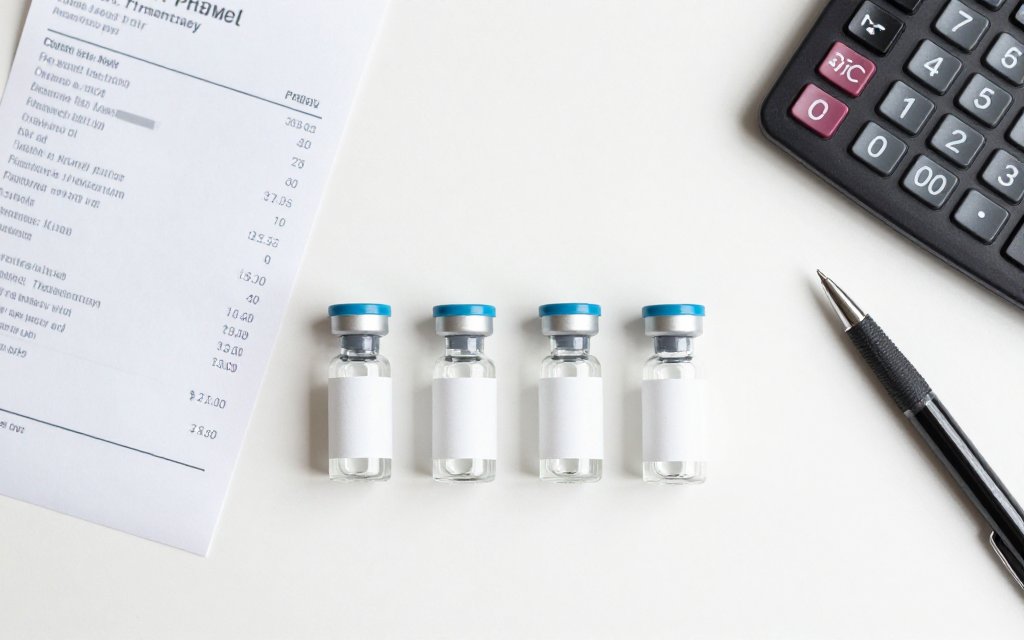
Self-pay pricing has been in effect since December 2025, and a pricing tracker verified in October 2026 still lists the same tiers. Each fill holds four single-dose vials, one per week, so dividing by four gives the real Zepbound price per injection.
| Dose | Four vials | Per vial |
|---|---|---|
| 2.5 mg | $299 | $74.75 |
| 5 mg | $399 | $99.75 |
| 7.5 mg, on time | $449 | $112.25 |
| 7.5 mg, late | $499 | $124.75 |
| 10 to 15 mg, on time | $449 | $112.25 |
| 10 to 15 mg, late | $699 | $174.75 |
The 2.5 mg and 5 mg tiers carry no refill condition. From 7.5 mg upward, the $449 Zepbound self pay rate holds only while each order lands within 45 days of the previous delivery, which is why the late rows exist at all.
From 7.5 mg to 15 mg, every on-time fill costs the same $449. Moving up a dose on the label schedule doesn't raise the bill; ordering late does.
The 45-day refill window and your Zepbound self pay price
A four-vial carton covers 28 days, so the 45-day window leaves 17 days of slack. That sounds generous until a shipment sits at a pharmacy, a trip gets in the way, or a prescription renewal stalls. Lilly's terms don't spell out how to get back to $449 after a late order, so it's worth asking LillyDirect support before it happens rather than after.
What a late refill does over a year
There are 13 four-week fills in a year. At a 10, 12.5 or 15 mg maintenance dose, 13 on-time orders total $5,837. If every order slipped past day 45, the same year would run $9,087, a difference of $3,250. No dose change moves your yearly Zepbound cost that much.
- One late fill at 10 to 15 mg adds $250 to that month
- One late fill at 7.5 mg adds $50 to that month
- The 2.5 mg and 5 mg doses have no refill penalty
- A carton runs out on day 28; the price cutoff is day 45
This is where a log earns its keep. Recording the delivery date of each carton, and the date you open the last vial, turns the 45-day rule into a reminder instead of a surprise on the receipt. Redose handles that with vial inventory and reorder alerts, and it's built for tracking and record-keeping only, not for dosing decisions.
Zepbound vial instructions, from cap to plunger
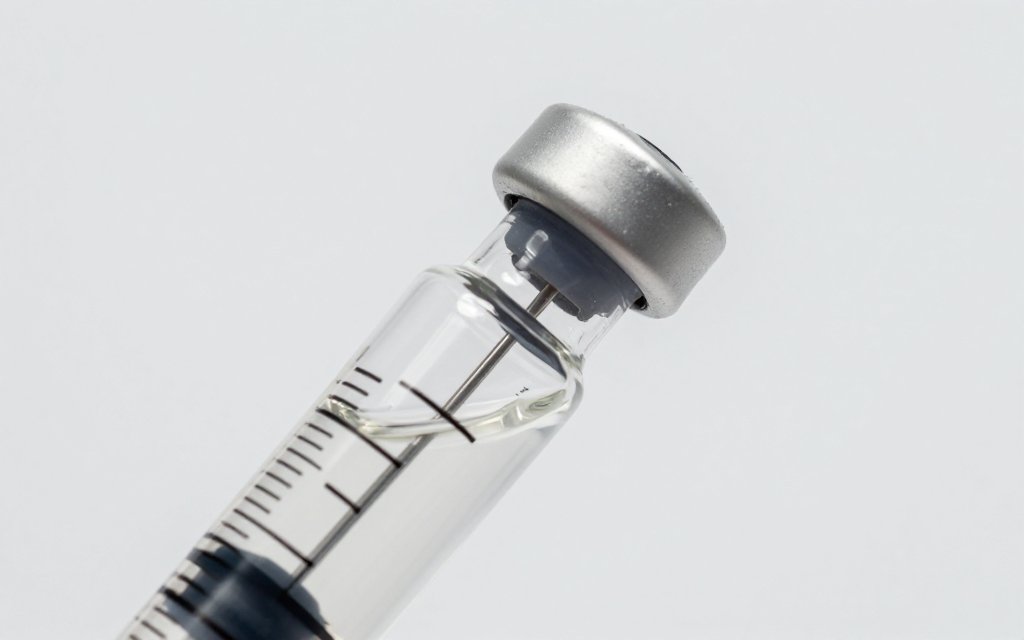
Lilly's vial Instructions for Use, revised April 2026, cover six strengths from 2.5 mg to 15 mg, each in 0.5 mL of solution. The drawing steps are the same at every strength. Your prescriber or pharmacist should walk you through them in person first, and their instructions come before anything written here.
- Check the liquid is clear, colorless to slightly yellow
- Pull off the plastic cap but leave the rubber stopper in place
- Wipe the stopper with an alcohol swab
- Draw 0.5 mL of air, push the needle in, and empty the air
- Invert the vial, keep the tip in liquid, pull past 0.5 mL
- Tap out bubbles, then push the plunger back to the 0.5 mL line
Why 0.5 mL is 50 units on a 1 mL syringe
The instructions give an example of a 1 mL syringe, and many people use a U-100 insulin syringe, where each unit mark is 0.01 mL. That puts the full 0.5 mL dose at the 50-unit line. The math only holds for a U-100, 1 mL barrel, so check the syringe your provider recommends before reading the markings. The Redose calculators show the same conversion for any volume.
Every Zepbound single dose vial holds 0.5 mL, whether it says 2.5 mg or 15 mg. The strength changes; the volume you draw doesn't.
How to inject Zepbound once the dose is drawn
The label lets you inject into your abdomen or thigh, and someone else can use the back of your upper arm. Your provider should tell you whether to pinch the skin. After pushing the plunger down, the instructions say to keep the needle in for at least 5 seconds so the full dose goes in.
- Rotate within the area you choose each week
- Skip skin that's tender, bruised, scarred or lumpy
- Don't mix Zepbound with any other medicine
- Don't recap the needle; it goes straight to a sharps bin
Rotation is the part people forget by week six. The label ties it to lowering the risk of lipodystrophy and skin lumps at repeated sites, and our piece on spacing out tirzepatide injection sites covers how to keep a pattern going.
Zepbound vial vs pen, and what the label now lists
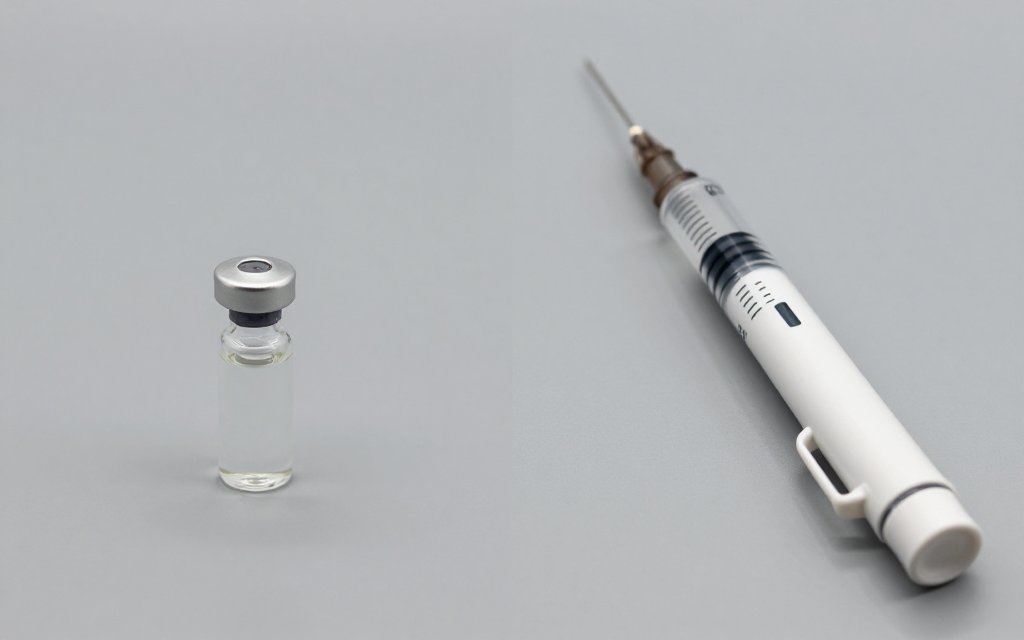
Self-pay pricing applies to both the single-dose vials and the KwikPen, so the choice comes down to handling. The current FDA label on DailyMed also lists a four-dose vial, and its dose volume is different.
| Detail | Single-dose vial | KwikPen |
|---|---|---|
| Volume per dose | 0.5 mL | 0.6 mL |
| Doses per unit | 1 | 4 (2.4 mL total) |
| Needle supplied | No, syringe and needle separate | No, pen needles separate |
| Leftover liquid | Discard after one use | Single-patient use only |
If a pharmacy ever ships a different presentation than last time, the volume per dose is the first thing to confirm with them. A log that records which product and strength you opened each week makes that mismatch obvious.
Storage and supplies for a month of Zepbound vials
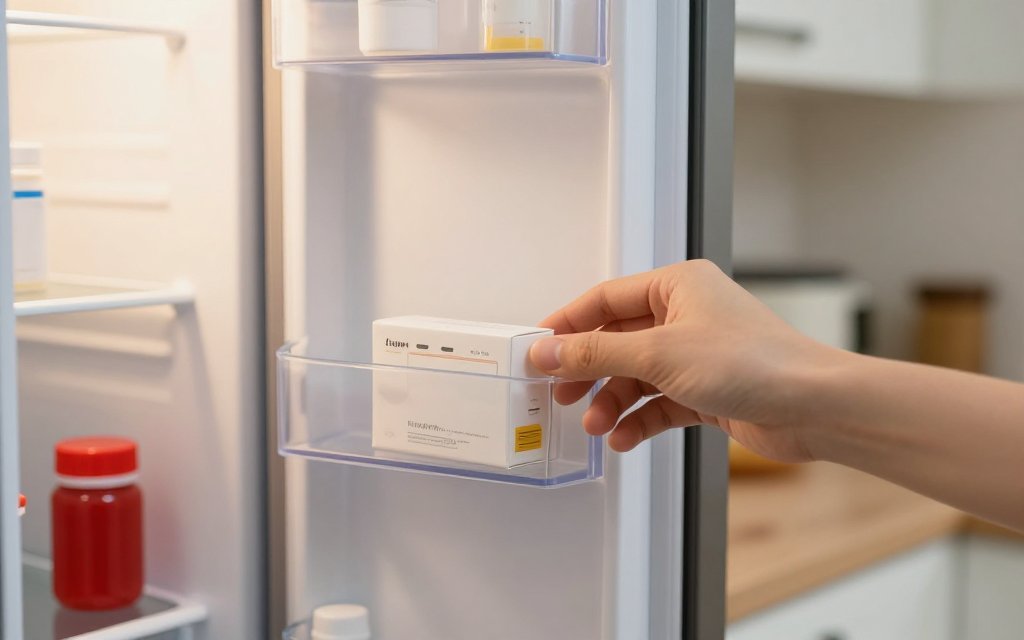
Unopened vials live in the fridge at 36°F to 46°F (2°C to 8°C), in the carton to block light. Each one can spend a total of 21 days at room temperature up to 86°F (30°C) before it must be thrown out, and a frozen vial can't be used. Our guide on how long Zepbound can be out of the fridge goes deeper on travel.
- 4 single-dose vials per four-week carton
- 4 syringes and needles, bought separately
- 4 alcohol swabs and some gauze
- An FDA-cleared sharps container or a heavy-duty substitute
Lilly's instructions are blunt: throw away every opened vial after use, even if medicine is left inside. A new syringe and needle go with every injection.
Questions people ask about Zepbound vials
Can you split a Zepbound single dose vial?
The label describes each vial as single-dose, and the instructions say to discard an opened vial even if liquid remains. Any plan that departs from that is a conversation for your prescriber, not something the instructions support.
What Zepbound syringe size does the label call for?
The label says you need a syringe that can measure a 0.5 mL dose for single-dose vials, and the instructions give a 1 mL syringe as an example. The needle and syringe aren't included, so the exact size comes from your healthcare provider.
Is the Zepbound vial dosage schedule different from the pens?
No. The label starts at 2.5 mg weekly for 4 weeks, then steps up by 2.5 mg after at least 4 weeks on each dose, with maintenance at 5, 10 or 15 mg and 15 mg as the ceiling. Our tirzepatide dosage chart lays out that Zepbound dosage ladder week by week.
What happens if a weekly dose is missed?
The label says to take a missed dose within 4 days (96 hours) of when it was due, and to skip it if more than 4 days have passed, then return to the usual day. Changing your injection day needs at least 3 days between doses. If you're unsure, ask the prescriber who wrote the order.
Keep every vial, refill date and injection site on record. Download Redose for exact syringe units from the calculator, gentle reminders before your 45-day window closes, injection site rotation, and a complete private log of your Zepbound protocol. Get the app here: iOS.