 Redose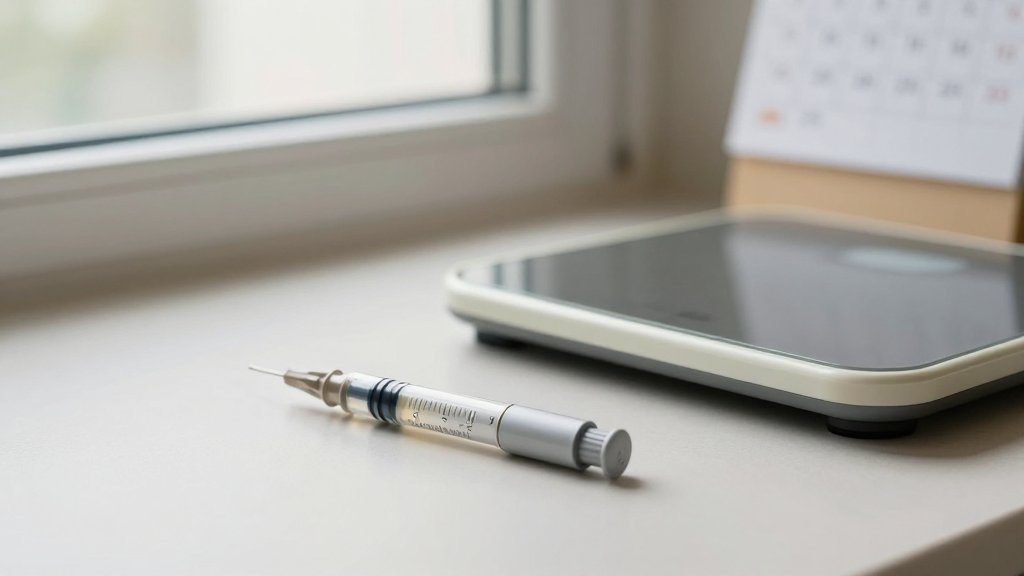
The scale barely moves for the first month on Ozempic, and that trips up almost everyone who starts. Appetite usually quiets down within a week or two, but real ozempic weight loss results build over months, not days. In the STEP 1 trial the steepest drop landed somewhere between months three and nine, long after the first injection.
So how long does it take for Ozempic to work? That depends on what you mean by work. The drug starts blunting hunger fast, reaches steady levels in your blood around week four or five, then keeps chipping at body weight for more than a year before it flattens. Redose is built to track that slow curve dose by dose, and it is a record keeping tool only, not medical advice.
How fast does Ozempic work in the first month
Here is the part that surprises people. Ozempic goes after your appetite almost right away, yet your weight can sit nearly still for weeks. Its active ingredient, semaglutide, has a half life of about seven days, so each weekly shot stacks on the last until the level in your blood plateaus around four to five weeks in.
Many people report smaller portions and less snacking inside the first week or two, a pattern Mayo Clinic maps across the first month, while the number under their feet barely twitches. That early appetite change is the signal, and ozempic 1 month results on the scale usually stay modest.
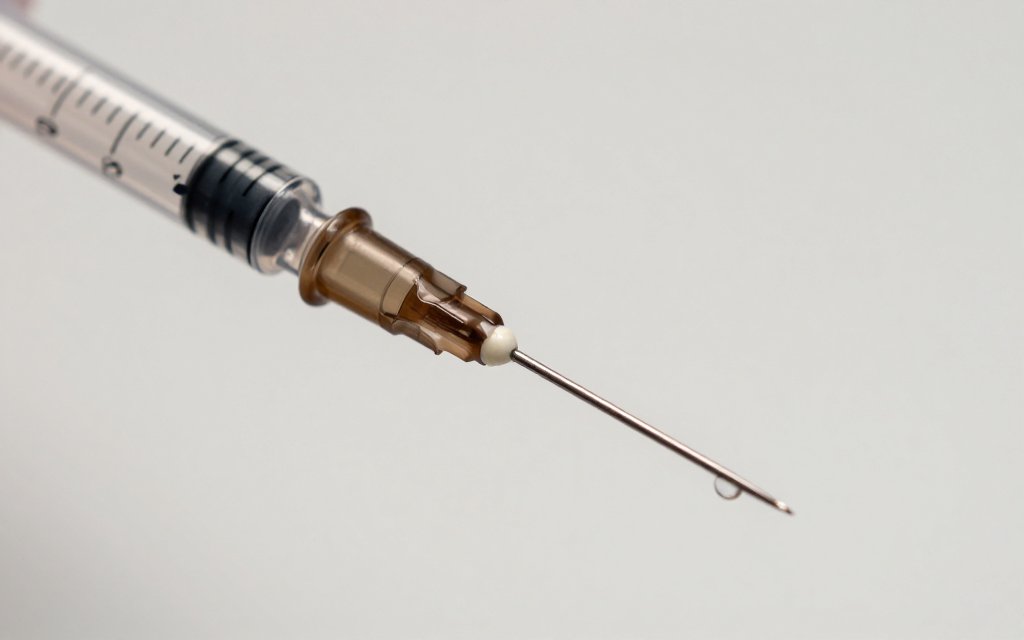
Appetite can quiet down in the first week, but semaglutide needs about four to five weeks to reach steady levels in your blood.
- Smaller portions within the first week or two
- Less snacking and quieter food cravings
- Feeling full sooner partway through meals
- A scale that stays flat through weeks one to four
The average weight loss on Ozempic, month by month
Once the dose climbs, the curve steepens. Titration usually starts at 0.25 mg for four weeks, then 0.5 mg, stepping up roughly every four weeks toward a target. Ozempic tops out at 2 mg for type 2 diabetes, while the 2.4 mg semaglutide dose sold as Wegovy is the one tested head on for weight loss.
The fastest loss lands in a window, not on day one. Weight comes off quickest between months three and nine, then the rate eases as the body settles toward a new set point near month 15 to 17. That shape is why patience beats early panic.

| Timeframe | What happens | Typical loss |
|---|---|---|
| Weeks 1-4 | Appetite drops on 0.25 mg | Little scale change |
| Months 2-3 | Dose climbs, portions shrink | A few percent |
| Months 3-9 | Steepest loss window | Most of the total |
| Months 15-17 | Loss flattens out | New set point |
What the trials show about ozempic weight loss results
The best known ozempic results come from the STEP program. In the STEP 1 trial, adults on 2.4 mg semaglutide who stayed on it for 68 weeks lost 17.3 percent of their body weight on average, against 2.0 percent for placebo, and about 86 percent dropped at least 5 percent.
Tirzepatide, the ingredient in Zepbound and Mounjaro, pushed further in its own study. At the 15 mg dose in SURMOUNT-1, participants lost 20.9 percent of body weight over 72 weeks, with some reaching 22.5 percent.
One caveat shapes expectations. Those headline figures come from the higher weight loss doses, so results on Ozempic at 1 to 2 mg, which is approved for type 2 diabetes, tend to trail them. How quickly does ozempic work for weight loss depends heavily on which dose you actually reach and how long you hold it.
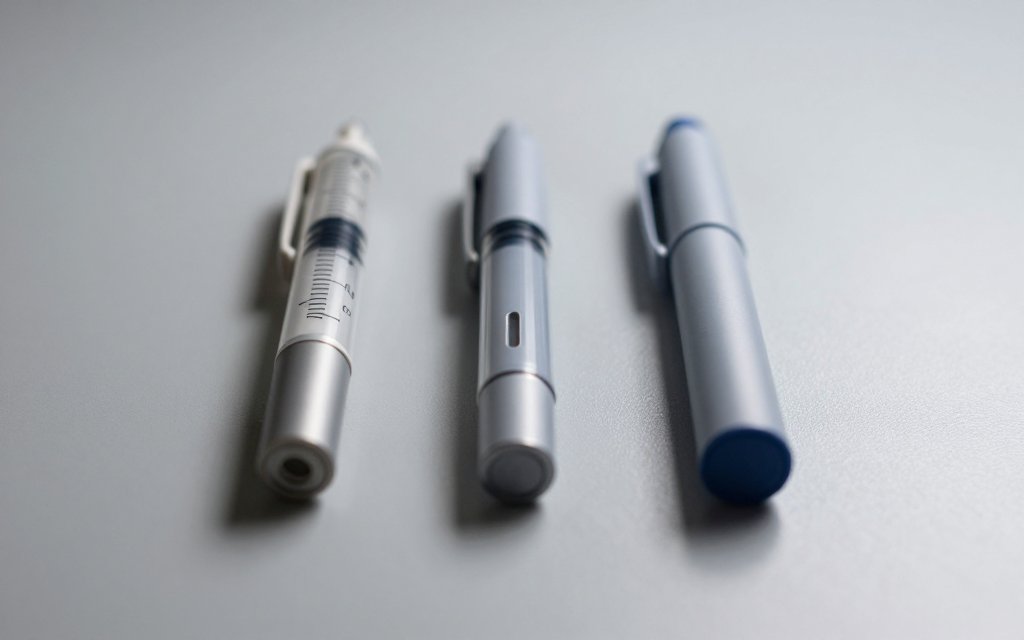
| Drug | Study dose | Average loss |
|---|---|---|
| Wegovy | 2.4 mg | 17.3% at 68 wks |
| Zepbound | 15 mg | 20.9% at 72 wks |
| Ozempic | Up to 2 mg | Dose dependent |
In STEP 1, about 86 percent of people on 2.4 mg semaglutide lost at least 5 percent of their body weight over 68 weeks.
Why your results might lag the averages
Averages hide a lot of spread. Some people track the trial curve almost exactly, others lose slower for reasons that have nothing to do with willpower. Dose is the big one, since the full effect needs the higher steps and many people pause partway up when nausea hits.
Muscle matters too. Fast loss can strip lean mass along with fat, which drags on metabolism and can stall the scale, so protein and resistance training earn their keep, as our guide on GLP-1 muscle loss lays out.
If the scale truly stalls for weeks at a steady dose, that is a plateau rather than a failure, and there are practical steps to work through it worth raising with your prescriber.
- Stopping the climb before the target dose
- Losing muscle instead of protecting lean mass
- Eating too little protein as portions shrink
- Missed or late weekly doses breaking the level
- Sleep, stress and alcohol slowing the pace
What the results mean for your wallet
Time on the drug is money, and the math is worth doing before month one. Brand GLP-1 medications often run several hundred to over a thousand dollars a month without coverage, and because the steepest results arrive in months three to nine, you are paying for a slow build rather than a quick fix.
The regain problem after stopping
The bigger cost shows up if you stop. In the STEP 1 extension, people regained 11.6 percentage points of body weight in the year after coming off semaglutide, close to two thirds of what they had lost. That reframes these drugs as a long commitment, not a short course, which is worth settling with your prescriber before you begin.
After stopping semaglutide, STEP 1 participants regained about two thirds of their lost weight within a year.
- Steepest loss falls in months three to nine
- Monthly cost runs high without insurance
- Stopping tends to bring much of the weight back
- Maintenance planning matters as much as onset
Tracking your own Ozempic results
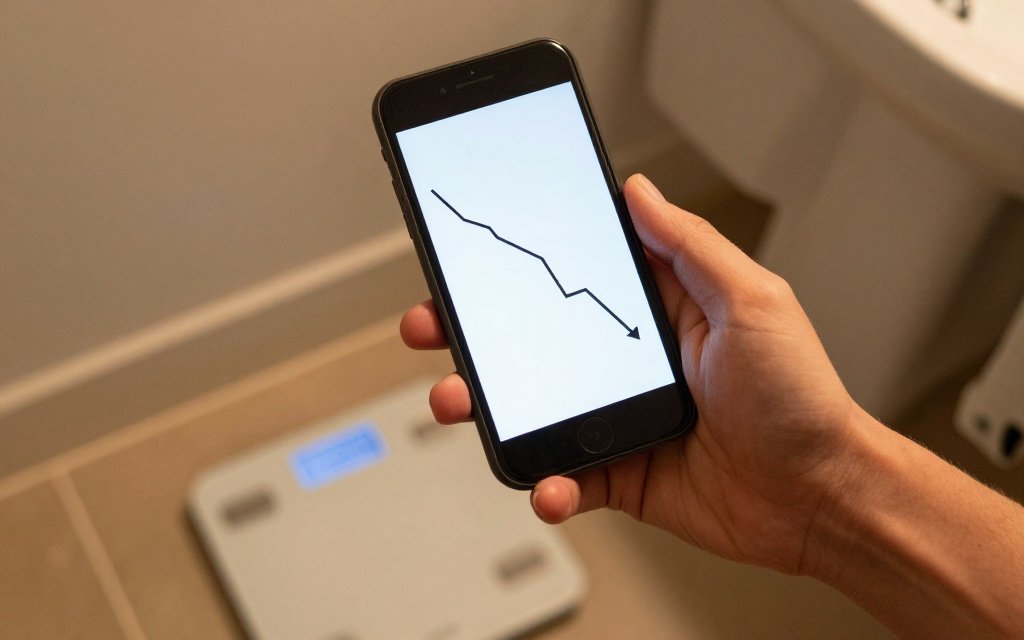
Trial averages are a map, not your route. The only way to know your own curve is to log it, and a weekly weigh in with a note on dose and appetite tells you more than any chart of strangers. Exact syringe units matter here, since a mismeasured dose quietly bends the whole picture, and a dosing and reconstitution calculator takes out the guesswork.
Watching the trend also keeps you honest through the flat first month, when it is easy to quit right before the curve bends. For the pharmacology behind that lag, our explainer on how long semaglutide stays in your system covers the half life in detail.
Questions about Ozempic timing and results
How long does it take for Ozempic to work?
It works on appetite fast and on the scale slowly. Most people feel reduced hunger within the first week or two, while steady drug levels take about four to five weeks. Clear weight loss builds over months, with the fastest stretch falling between months three and nine.
When does Ozempic start working on the scale?
The scale usually lags the appetite change. Weeks one through four often show little movement, and clearer loss tends to appear from month two onward as the dose climbs. That gap is why ozempic 1 month results can look small even when the drug is working.
How long does it take for semaglutide to work compared with Ozempic?
Semaglutide is the active ingredient in Ozempic, so how long does it take for semaglutide to work follows the same timeline. Appetite eases in a week or two, blood levels steady near week five, and the bulk of weight loss stacks up over several months at the higher 2.4 mg weight loss dose.
How long does it take for Ozempic to kick in for hunger?
For hunger, it kicks in quickly. Many people notice smaller portions and quieter cravings inside the first week, well before the scale reflects anything. If you are asking how long does it take for ozempic to kick in on weight, plan for months rather than weeks.
Track every dose with confidence and watch your own curve take shape instead of guessing against trial averages. Redose gives you exact syringe units from the calculator, gentle weekly reminders, injection site rotation, and a private log of weight, doses and appetite so your real ozempic weight loss results are never a mystery. Get the app here: iOS.