 Redose
Hair in the brush, a thinner ponytail, more strands on the pillow. For many people a few months into a GLP-1 protocol, ozempic hair loss is the side effect that arrives without warning. It is real, it shows up in the clinical trials, and it is almost always temporary.
The short version is that ozempic hair loss is rarely about the drug attacking your follicles. It is your body reacting to fast weight loss, the same way it reacts to childbirth, surgery, or a crash diet. This guide walks through what the STEP and SURMOUNT trials actually recorded, why the shedding happens, when hair grows back, and how to keep a clear record of it. Redose is a tracking and record-keeping app, not medical advice, so treat every number here as something to raise with your prescriber.
What Ozempic Hair Loss Actually Is
The medical name for this pattern is telogen effluvium. At any moment most of your hairs are growing while a small share are resting before they fall out. A shock to the body pushes many growing hairs into the resting phase at once, so two or three months later they shed together. Dermatologists describe it as diffuse thinning across the whole scalp rather than a single bald patch.
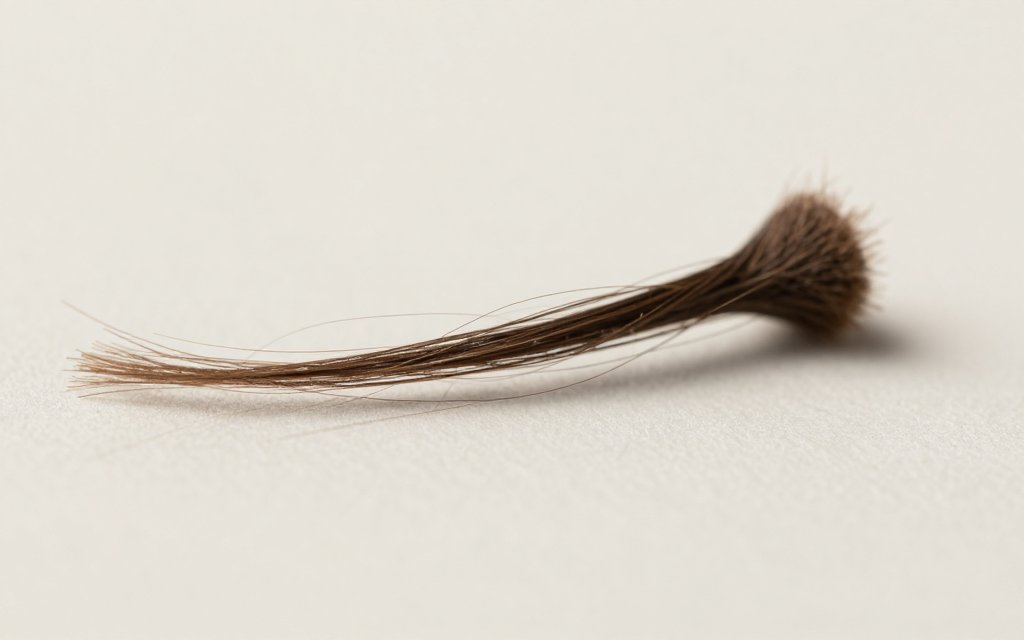
The important part is what telogen effluvium does not do. It does not scar or kill the follicle. The follicle stays alive under the skin and is already scheduled to grow a new hair. That is why clinicians frame this shedding as temporary rather than permanent, and why the recovery numbers below are encouraging.
Telogen effluvium does not destroy follicles. The hair you shed is scheduled to grow back.
Does Ozempic Cause Hair Loss in the Trials?
So does Ozempic cause hair loss in a measurable way? In the STEP 1 trial of semaglutide, 3 percent of participants reported hair loss compared with 1 percent on placebo. On Wegovy, the higher 2.4 milligram weight loss dose, the rate was the same 3 percent versus 1 percent, and it climbed to 5.3 percent among people who lost more than 20 percent of their body weight.
In the STEP 1 trial, 3 percent of semaglutide users reported hair loss, against 1 percent on placebo.
Tirzepatide, sold as Mounjaro and Zepbound, showed higher rates. Across the SURMOUNT trials, hair loss affected 5.4 percent of tirzepatide users, 119 of 2,183 people, versus 0.9 percent on placebo. In SURMOUNT-1 the pattern tracked the dose: 5.7 percent at the 15 milligram dose against 4.2 percent at 5 milligrams. Women reported it far more often than men, roughly 4 percent versus 0.9 percent.
| Medication | Trial | Hair Loss |
|---|---|---|
| Semaglutide | STEP 1 | 3% vs 1% |
| Wegovy 2.4mg | STEP | 3% vs 1% |
| Tirzepatide | SURMOUNT | 5.4% vs 0.9% |
| Tirzepatide 15mg | SURMOUNT-1 | 5.7% |
| Tirzepatide 5mg | SURMOUNT-1 | 4.2% |
One label detail is worth knowing. Alopecia is listed as a recognized side effect in section 6.1 of the Wegovy prescribing information, while the Ozempic label carries it only as a post-marketing report with no set frequency. That gap reflects how the two trial programs were designed, not a difference in the molecule.
Why Ozempic Hair Loss Happens
The trigger is rapid weight loss, not the semaglutide molecule itself. When you drop weight quickly on a large calorie deficit, your body treats it as stress and reprioritizes energy away from hair. This is the same mechanism behind ozempic and hair loss reports, wegovy and hair loss reports, and the wider set of glp 1 hair loss stories online.
- Higher doses that push faster weight loss
- Losing over 20 percent of body weight
- Being a woman, who trials flag at higher risk
- Low protein intake while appetite is down
- A personal history of telogen effluvium
Rapid weight loss and the hair cycle
The faster the loss, the sharper the signal to your follicles. That is why higher doses, which produce more dramatic results, line up with higher shedding rates in the data. It is also why the tirzepatide numbers sit above the semaglutide ones, since tirzepatide tends to drive greater total weight loss.
Nutrition gaps during appetite loss
GLP-1 medicines work by cutting appetite, which is the point, but a smaller appetite makes it easy to fall short on protein, iron, zinc, and vitamin D. Those are the building blocks of hair. So this ozempic side effects hair loss pattern is often a nutrition story hiding inside a weight loss story, and tracking what you actually eat is the cheapest way to catch it early.
The Shedding Timeline From Onset to Regrowth
Telogen effluvium runs on a predictable clock. Shedding usually begins 2 to 4 months after significant weight loss starts, which is why people rarely connect it to a dose they took months earlier. The heaviest shedding lands around months 3 to 6, then eases off.

Recovery is the reassuring part. Because the follicles are intact, most people see the shedding resolve within 6 to 12 months once weight and nutrition stabilize, with density continuing to fill in over the following year. Knowing that does semaglutide cause hair loss on this kind of timeline helps you avoid panic during the peak weeks.
| Phase | Timing | What Happens |
|---|---|---|
| Trigger | Month 0-1 | Rapid weight loss begins |
| Onset | Month 2-4 | Shedding becomes visible |
| Peak | Month 3-6 | Most hairs shed at once |
| Recovery | Month 6-12 | Regrowth fills back in |
| Full density | Month 12-18 | Thickness returns |
Across the SURMOUNT trials, hair loss affected 5.4 percent on tirzepatide versus 0.9 percent on placebo.
Semaglutide, Tirzepatide, and Wegovy Compared
Put side by side, the three medicines rank by how much weight they typically take off. Semaglutide hair loss rates sit lowest, tirzepatide hair loss rates run highest, and wegovy hair loss lands close to Ozempic because it is the same molecule at a higher dose. None of this means one is safer than another for you. It means faster loss carries a higher chance of a shedding phase.
If you are weighing protocols with a prescriber, the hair question is one input among many. A steadier titration, the gradual dose ladder each label lays out, tends to soften the shock. You can read how the tirzepatide side effect timeline unfolds in our companion guide, and check the semaglutide profile for dosing specifics.
Protecting Hair With Protein and Tracking
You cannot control your genetics, but you can control the two levers that matter most, protein and pace. Clinicians commonly point to 60 to 80 grams of protein a day, or roughly 0.7 to 1.0 grams per pound of lean body mass, to give follicles the raw material they need. Hitting that target while your appetite is suppressed takes planning.

- Reach 60 to 80 grams of protein each day
- Log every dose so titration stays gradual
- Track weight trends to catch rapid drops
- Note the date shedding first started
- Ask a prescriber about iron and vitamin D
The second lever is keeping a clear record so patterns are visible instead of guessed at. Logging your dose, your weight pace, and the day shedding started turns a scary blur into data you and your prescriber can read. A dose calculator also keeps your syringe units exact so titration stays gradual, and our protein and training guide covers the same fuel that protects lean mass.
- Weekly weight and the pace of each drop
- Daily protein grams against your target
- Dose, date, and site for every injection
- When shedding began and how heavy it is
Ozempic Hair Loss FAQ
Does Ozempic make your hair fall out?
Not directly. Ozempic does not poison the follicle. What makes hair fall out is the rapid weight loss it enables, which can push follicles into a shedding phase called telogen effluvium. The strands come out, but the follicles stay alive to regrow.
Can Ozempic cause hair loss that is permanent?
In the trial data, essentially no. Telogen effluvium is temporary, and most people regrow lost density within 6 to 12 months as weight and nutrition steady. Permanent thinning usually points to a separate cause, such as genetic pattern hair loss, which is worth raising with a clinician.
Can semaglutide cause hair loss the same way as tirzepatide?
Yes, through the same route. Semaglutide and tirzepatide both work by lowering appetite and driving weight loss, and the shedding follows the weight rather than the specific drug. Tirzepatide simply shows higher rates because it tends to remove more weight overall.
How long does Ozempic hair loss last?
For most people the visible shedding runs a few months and settles within 6 to 12 months of stabilizing. Peak shedding clusters around months 3 to 6, so the worst of it is usually behind you by the time new density starts returning.
A shedding phase is easier to sit through when you can see it is on schedule. Redose keeps a private log of every dose, your weight pace, your protein, and the day shedding started, so you and your prescriber are reading real numbers instead of guesses. It is a tracking and record-keeping tool, not medical advice, and it never tells you to change a protocol. Get the app here: iOS.