 Redose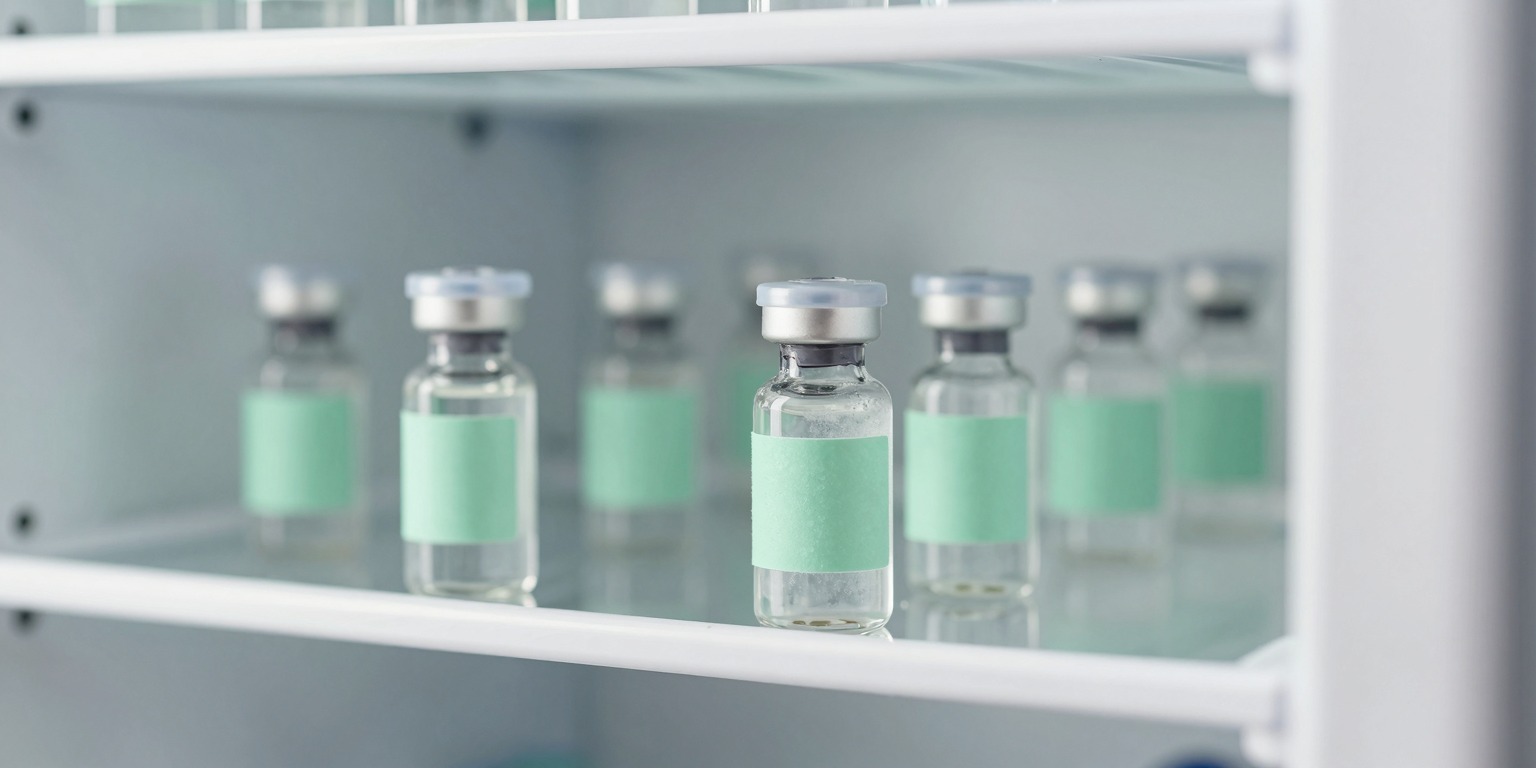
Knowing how to store peptides correctly is one of the most practical steps you can take to protect the potency of a vial from the moment it arrives to the final dose. Peptides (short chains of amino acids) are sensitive molecules, and improper storage (wrong temperature, light exposure, or contamination) can degrade them before you ever draw a syringe. The guidance below covers lyophilized (freeze-dried) powder, reconstituted solutions, shelf life expectations, and how to keep things stable when you are away from home.
Why Peptide Storage Matters
Peptides are held together by peptide bonds that can be disrupted by heat, moisture, UV light, oxidation, and repeated physical agitation. Once degraded, peptide fragments may no longer bind to their target receptors effectively. The practical result is a vial that looks identical but delivers a fraction of its intended activity.
Research-grade peptides are typically sold as lyophilized powders precisely because the freeze-drying process removes water, the primary driver of hydrolysis, and dramatically extends shelf life. That powder state is far more stable than a liquid solution and gives you a meaningful storage advantage if you use it correctly.
Note: Most peptides discussed in research contexts, including BPC-157, TB-500, CJC-1295, and others, are investigational compounds not approved by the FDA for human use. This article is about storage best practices from a stability and quality standpoint, not a recommendation to use any specific compound.
Storing Lyophilized (Freeze-Dried) Peptides
Refrigerator: the everyday baseline
For most lyophilized peptides, a standard refrigerator set to 2-8°C (36-46°F) is adequate for storage periods of a few months. Keep vials in their original sealed vials or packaging, away from the door (where temperature fluctuates with opening) and away from any moisture source.
Freezer: best for longer-term storage
Research suppliers commonly recommend -20°C for lyophilized peptides when storage will exceed a few months. At this temperature, molecular motion slows considerably, further reducing the rate of degradation. Some facilities use -80°C for archival storage, but that is rarely necessary outside a laboratory setting.
Key points for freezer storage:
- Allow frozen vials to warm to room temperature before opening to prevent condensation from introducing moisture.
- Never open a cold vial directly from the freezer; the temperature differential draws ambient humidity into the powder.
- Store vials in a sealed bag or small container to prevent frost and moisture accumulation.
Light and moisture
Both UV light and ambient moisture are enemies of peptide integrity. Practical steps:
- Keep vials in a dark drawer or opaque container inside the fridge.
- Do not store peptides near the vegetable crisper, where humidity tends to be higher.
- If a vial's rubber stopper is at all compromised or discolored, treat the contents as degraded.
How to Store Peptides After Reconstitution
Reconstitution (dissolving the lyophilized powder in a liquid carrier) is covered in detail in our guide to reconstituting peptides, but storage after that step deserves its own attention.
Use bacteriostatic water, not sterile water
Bacteriostatic water (BAC water) contains 0.9% benzyl alcohol, a preservative that inhibits bacterial growth. This is the standard carrier for multi-dose research peptide vials. Sterile water contains no preservative and should only be used for single-dose applications, as it offers no protection against microbial contamination after the stopper is first pierced.
Refrigerate immediately and use within 2-4 weeks
Once reconstituted with BAC water, most peptide solutions are considered stable for 2-4 weeks at 2-8°C. This window reflects the balance between peptide hydrolysis in solution and the antimicrobial protection of benzyl alcohol.
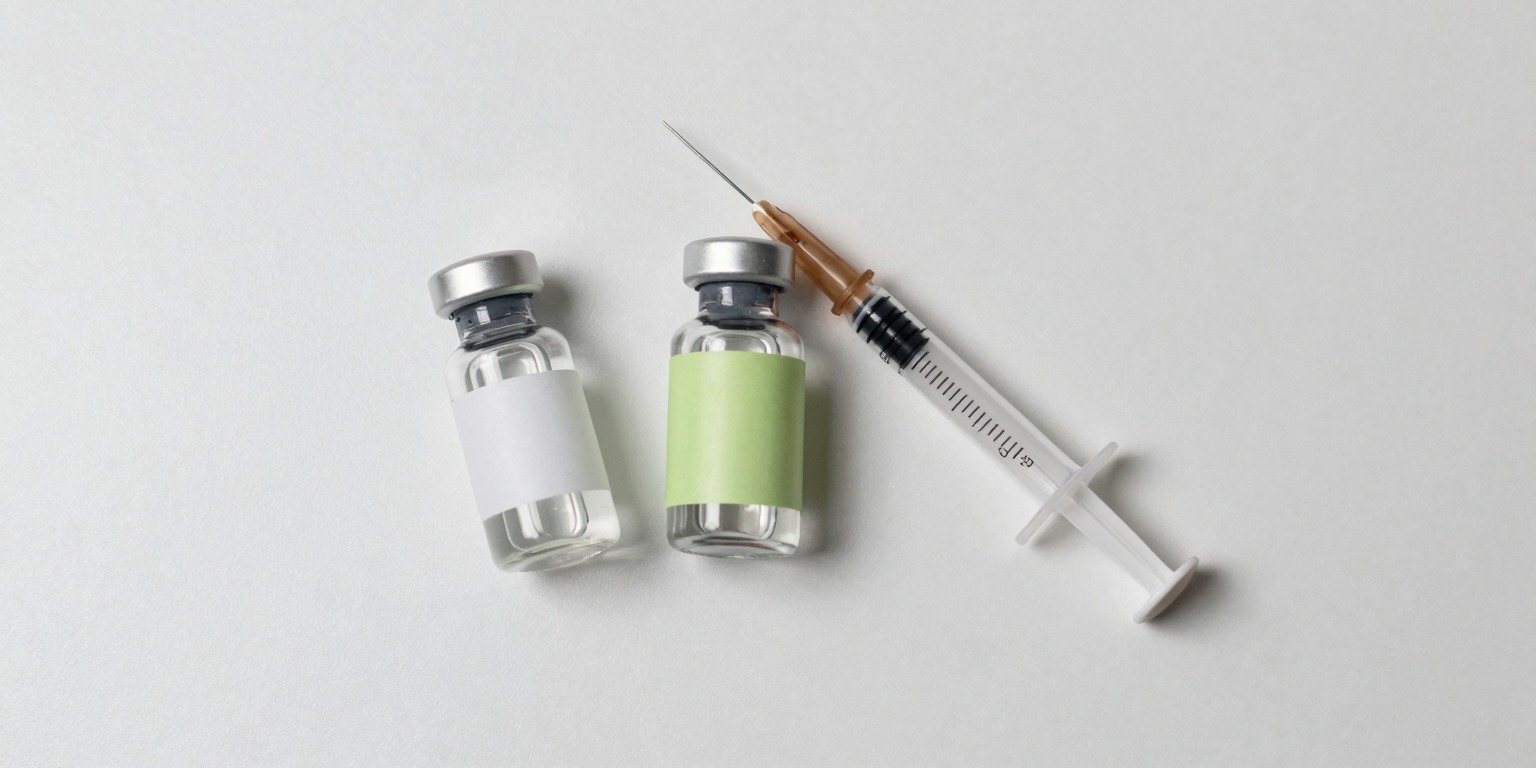 Use bacteriostatic water for multi-dose vials and label each with its reconstitution date.
| Storage condition | Approximate stability |
|---|---|
| Lyophilized, refrigerator (2-8°C) | Several months |
| Lyophilized, freezer (-20°C) | 12+ months (supplier-dependent) |
| Reconstituted with BAC water, fridge | 2-4 weeks |
| Reconstituted with sterile water, fridge | Use same session |
| Room temperature (reconstituted) | Hours; not recommended |
Specific stability data varies by peptide structure, pH of the carrier solution, and excipients. When in doubt, follow the guidance of the supplier or a compounding pharmacy.
Avoid repeated freeze-thaw cycles
Freezing a reconstituted solution and thawing it multiple times can cause aggregation (where peptide chains clump together) and mechanical disruption of the molecule. If you want to freeze a reconstituted vial for longer storage, draw the entire solution into individual single-use aliquots using sterile technique, freeze each separately, and thaw only what you need each time.
Shelf Life: What to Expect and Watch For
Shelf life claims vary widely between suppliers and peptide types. A few practical guidelines:
- Check the certificate of analysis (CoA) that reputable suppliers include with each batch. This documents purity at manufacture; actual shelf life depends on how the vial is handled after that point.
- Visual inspection is a basic but imperfect check. A reconstituted solution that has turned cloudy, developed visible particles, or taken on an unusual color should not be used. A clear solution is not a guarantee of potency, but cloudiness is a reliable warning sign.
- Smell is less useful for most peptides but obvious contamination (off odor, unusual precipitate) indicates a compromised vial.
Traveling with Peptides
Short trips are manageable with a bit of preparation:
- Use a small insulated cooler or medication travel pouch with a reusable gel ice pack. These keep vials within a safe temperature range for several hours.
- Lyophilized vials tolerate brief room-temperature exposure better than reconstituted solutions. If possible, travel with powders and reconstitute at your destination.
- Reconstituted vials being transported should be upright and cushioned to minimize agitation.
- For air travel, keep vials in your carry-on rather than checked luggage, which can be exposed to temperature extremes in the cargo hold.
- Be aware of relevant regulations in your destination; verifying those is your responsibility.
Practical Storage Checklist
- Lyophilized vials stored at 2-8°C or -20°C depending on timeframe
- Vials kept in a dark location away from moisture
- Frozen vials allowed to reach room temperature before opening
- Reconstituted solutions prepared with BAC water for multi-dose use
- Reconstituted vials labeled with the date of reconstitution
- Used within 2-4 weeks of reconstitution
- Aliquots created before freezing reconstituted solutions
- Travel preparations include insulated cooling
Track This with Redose
Keeping tabs on when you reconstituted each vial, how much is remaining, and when you need to reorder is easy to lose track of. The Redose app includes a vial inventory tracker that logs the reconstitution date, remaining volume, and dose history in one place, so you always know how fresh your vials are and when to prepare the next one. The reconstitution calculator can also help you work out exactly how much BAC water to add for your target concentration.
Conclusion
Proper storage is one of the simplest ways to protect the quality of research peptides. Keep lyophilized powders cold and dry, use bacteriostatic water for reconstitution, refrigerate solutions and use them within a few weeks, and avoid repeated freeze-thaw cycles. These habits cost nothing and go a long way toward ensuring each vial performs as expected.
This article is educational information, not medical advice. Talk to a qualified healthcare provider before starting any protocol.