 Redose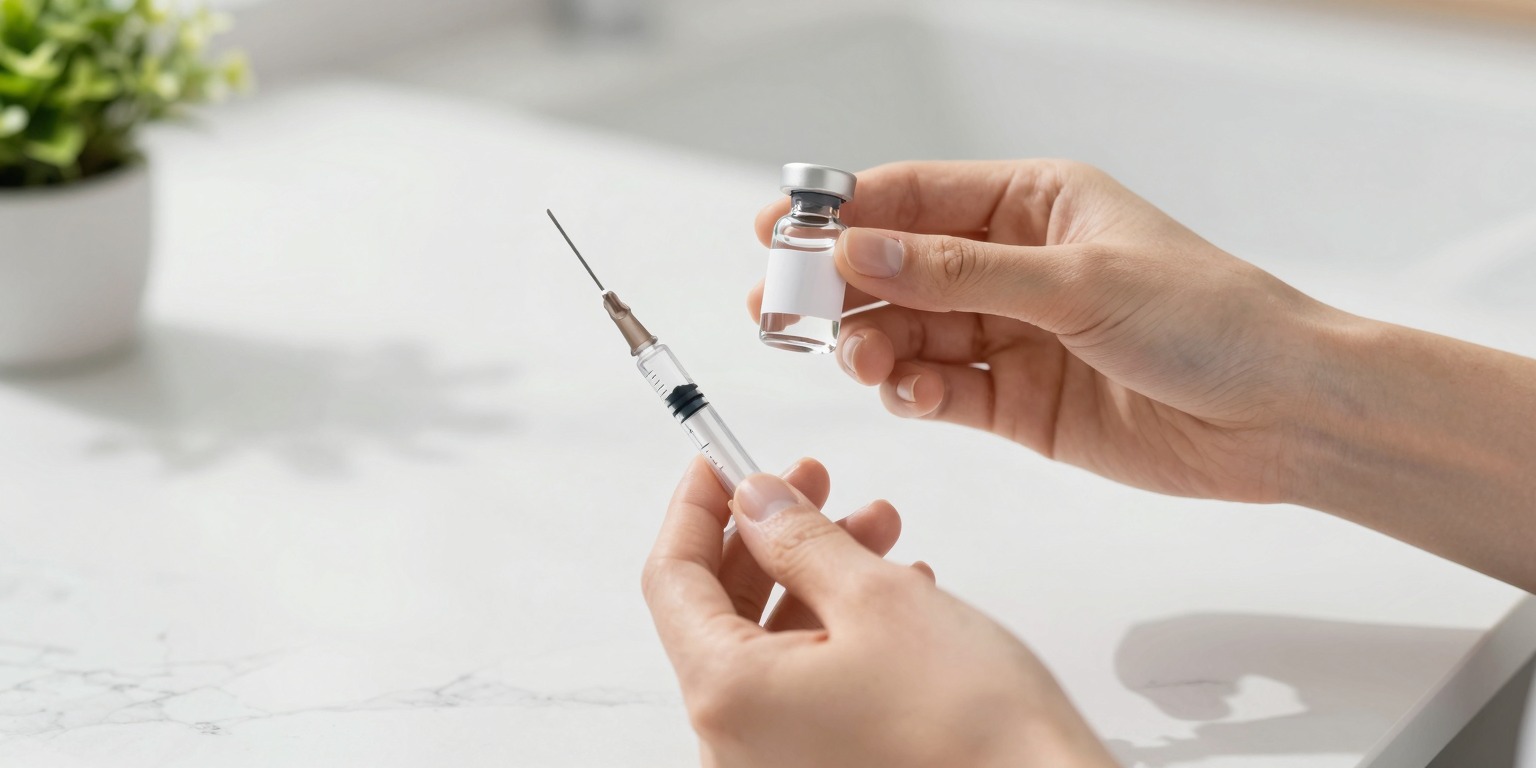
Peptides for women are a growing area of interest, from GLP-1 therapies that have reshaped weight management to research peptides studied for skin health, recovery, and hormonal support. This overview covers what women are most commonly researching, where the evidence is reasonably solid, and where it is still thin.
Why Women Research Peptides Differently
Biology matters here. Women's hormonal environments, shaped by the menstrual cycle, pregnancy, perimenopause, and postmenopause, can influence how peptides work, what side effects arise, and how protocols might need to be timed. A protocol designed for a man in his thirties does not automatically translate to a woman navigating fluctuating estrogen and progesterone.
There are also priority differences. While recovery and muscle-building drive much of the conversation in male-centric peptide communities, women more commonly ask about fat loss, skin quality, joint health, and energy. All of these are areas where certain peptides have at least some relevant research.
Peptides Commonly Researched by Women
GLP-1 Receptor Agonists: The Strongest Evidence
Semaglutide (Ozempic, Wegovy) and tirzepatide (Mounjaro, Zepbound) are technically peptide drugs and carry the most robust clinical evidence of any peptides discussed for fat loss. Large randomised trials show meaningful weight reduction in both men and women, with similar effect sizes across sexes.
These are FDA-approved medications, not research peptides, and they require a prescription. They do come with a real side-effect profile (nausea, gastrointestinal discomfort, rare but serious risks) and should only be used under medical supervision.
If you want to understand how semaglutide compares to tirzepatide, see Semaglutide vs. Tirzepatide.
Growth-Hormone Secretagogues: CJC-1295, Ipamorelin, GHRP-2
These peptides stimulate the pituitary gland to release more growth hormone. Women typically have naturally higher growth hormone pulse amplitude than men, which means the dose-response curve may differ. Some practitioners use lower starting doses for women.
What women research them for:
- Improved body composition (reduced fat mass, preserved lean mass)
- Sleep quality and recovery
- Skin texture, largely attributed to downstream IGF-1 effects
What the evidence actually says: Most of the meaningful clinical data comes from studies of pharmaceutical growth hormone in adults with verified GH deficiency, not from research peptide use in healthy adults. Extrapolating those results to peptide secretagogues in healthy women is a stretch. Early research and anecdotal reports are mixed. These remain investigational compounds, not approved treatments.
Considerations specific to women:
- Some women report water retention, particularly early in a protocol
- Cycle-phase timing is sometimes discussed (avoiding the luteal phase for new starts), though there is no clinical consensus
- Interaction with thyroid function is theoretically possible at higher doses; monitoring is advisable
BPC-157: Recovery and Gut Health
BPC-157 (Body Protection Compound 157) is a synthetic peptide derived from a protein found in gastric juice. In animal models it shows accelerating effects on wound healing, tendon repair, and gut lining integrity. Human clinical trials are extremely limited. It does not have FDA approval or a robust human evidence base.
Women research it for:
- Tendon and ligament recovery after training or injury
- Inflammatory bowel conditions (highly preliminary in humans)
- General tissue repair
There are no known sex-specific interaction concerns documented in the available literature, but the lack of human trial data means unknowns remain significant.
Collagen-Stimulating and Skin Peptides
This category splits into two distinct types:
| Type | Examples | Evidence Level |
|---|---|---|
| Topical cosmetic peptides | Matrixyl, Argireline, copper peptides | Moderate: cosmetic RCTs exist |
| Injectable/systemic peptides | GHK-Cu (injectable), Epithalon | Limited: mostly in vitro or animal data |
Topical peptides like Matrixyl (palmitoyl pentapeptide-4) have genuine cosmetic clinical evidence supporting modest improvements in fine lines and skin firmness. These are widely available in skincare and regulated as cosmetics.
Injectable systemic peptides studied for anti-aging skin effects (like Epithalon, a tetrapeptide studied mostly in Russian research for telomere-related mechanisms) have a much weaker human evidence base and should be treated as highly investigational.
PT-141 (Bremelanotide): Female Sexual Dysfunction
PT-141 is a melanocortin receptor agonist originally developed from melanotan II. A version (Vyleesi) received FDA approval specifically for hypoactive sexual desire disorder (HSDD) in premenopausal women, making it one of the few peptides with a specific female-focused approval.
Common side effects include nausea, flushing, and transient blood pressure changes. It requires a prescription and should not be self-administered without medical guidance.
Practical Considerations Before Starting
 Keeping a detailed log of doses, timing, and how you feel is one of the most practical things you can do when running a peptide protocol.
Before researching any peptide protocol, a few points are worth taking seriously:
- Baseline bloodwork matters. IGF-1, fasting glucose, thyroid panel, and hormonal markers give you a baseline to detect changes and catch problems early.
- Dose math is not optional. Reconstitution errors are the most common source of accidental overdosing with peptides. Use a proper calculator. Redose's free tool at /calculators handles vial concentration, BAC water volume, and per-dose units so the arithmetic is exact.
- Injection site rotation reduces tissue damage. Repeatedly injecting the same site leads to lipodystrophy. See Injection Site Rotation for a practical guide.
- Source quality is unknown in the grey market. Peptides sold as "research chemicals" are not manufactured to pharmaceutical standards. Purity and concentration vary, and this is a real risk.
Track This with Redose
Keeping a reliable log of doses, times, injection sites, and how you feel is genuinely useful when you're running a protocol. The Redose app lets you log a dose in a single tap, tracks injection site rotation on a body map, and generates a clean PDF you can bring to a healthcare appointment. It's free to start.
Conclusion
The peptide landscape for women includes some genuinely well-evidenced options (GLP-1 drugs, topical skin peptides, FDA-approved bremelanotide) and a much larger space of investigational compounds where the animal-to-human extrapolation is still very much unproven. Sex-specific hormonal considerations, particularly around GH secretagogues, are worth discussing with a knowledgeable provider rather than dismissing or ignoring. If you're new to the broader topic, What Are Peptides is a good foundation before going deeper.
This article is educational information, not medical advice. Talk to a qualified healthcare provider before starting any protocol.