 Redose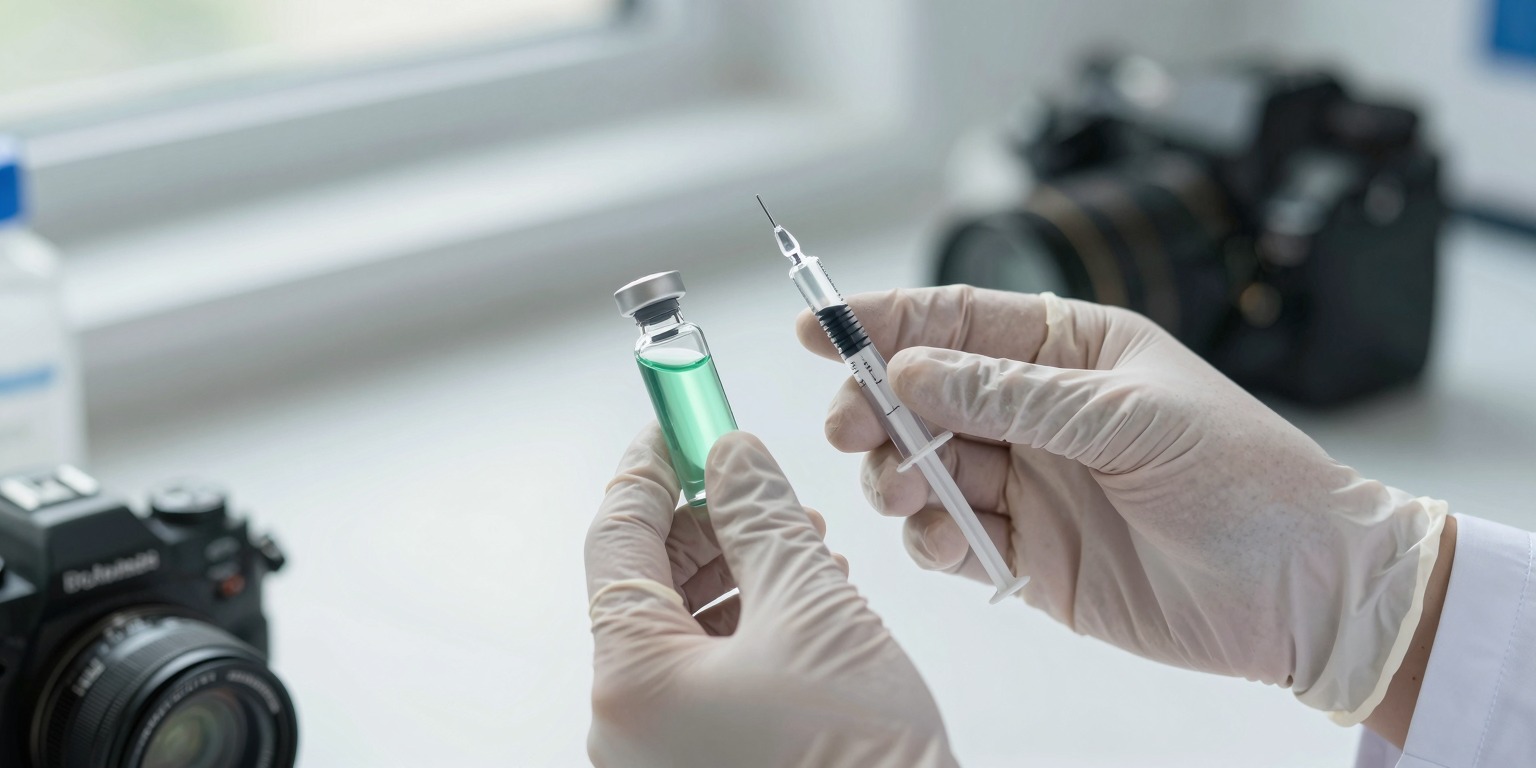
TB-500 benefits center on its potential to accelerate tissue repair, reduce inflammation, and support recovery from injury, making it one of the more widely discussed peptides in the fitness and biohacking community. While the evidence base is still early-stage and largely preclinical, understanding what the research does and does not show is essential before considering any protocol.
What Is TB-500?
TB-500 is a synthetic version of a segment of Thymosin Beta-4 (Tβ4), a protein naturally produced in virtually every cell of the human body. Tβ4 plays a documented role in regulating actin, a structural protein critical to cell movement, wound healing, and tissue regeneration.
Researchers identified the portion of Tβ4 responsible for much of its biological activity and synthesized it as a standalone peptide. That fragment is TB-500. Because it is smaller than the full Tβ4 molecule, it is more easily produced and is thought to distribute systemically after injection rather than acting only at the local injection site.
It is not FDA-approved and is classified as an investigational compound. Most of what is known about TB-500 comes from animal models and in vitro studies, supplemented by a large volume of anecdotal reports from athletes and biohackers.
TB-500 Benefits: What the Evidence Suggests
Tissue Repair and Wound Healing
The strongest body of evidence for TB-500 involves wound and tissue healing. Animal studies have shown that Tβ4 and its derivatives can accelerate the closure of skin wounds, promote the regeneration of damaged heart tissue after infarction, and support corneal repair. In one frequently cited series of studies, topical and systemic Tβ4 significantly reduced healing time in rodent wound models.
Key point: These findings are in animals. Whether the same mechanisms translate directly to human connective tissue injuries (the use case most people are interested in) is not yet established by controlled clinical trials.
Muscle and Tendon Recovery
Among athletes and active individuals, the most commonly reported TB-500 benefit is faster recovery from muscle strains, tendon injuries, and ligament damage. The proposed mechanism involves TB-500's ability to promote the migration and differentiation of stem cells and progenitor cells toward injured tissue, alongside its anti-inflammatory effects on actin regulation.
Early research suggests TB-500 may upregulate metalloproteinases (enzymes involved in tissue remodeling) and reduce pro-inflammatory cytokines locally. Again, this is largely inferred from animal data and cell culture work.
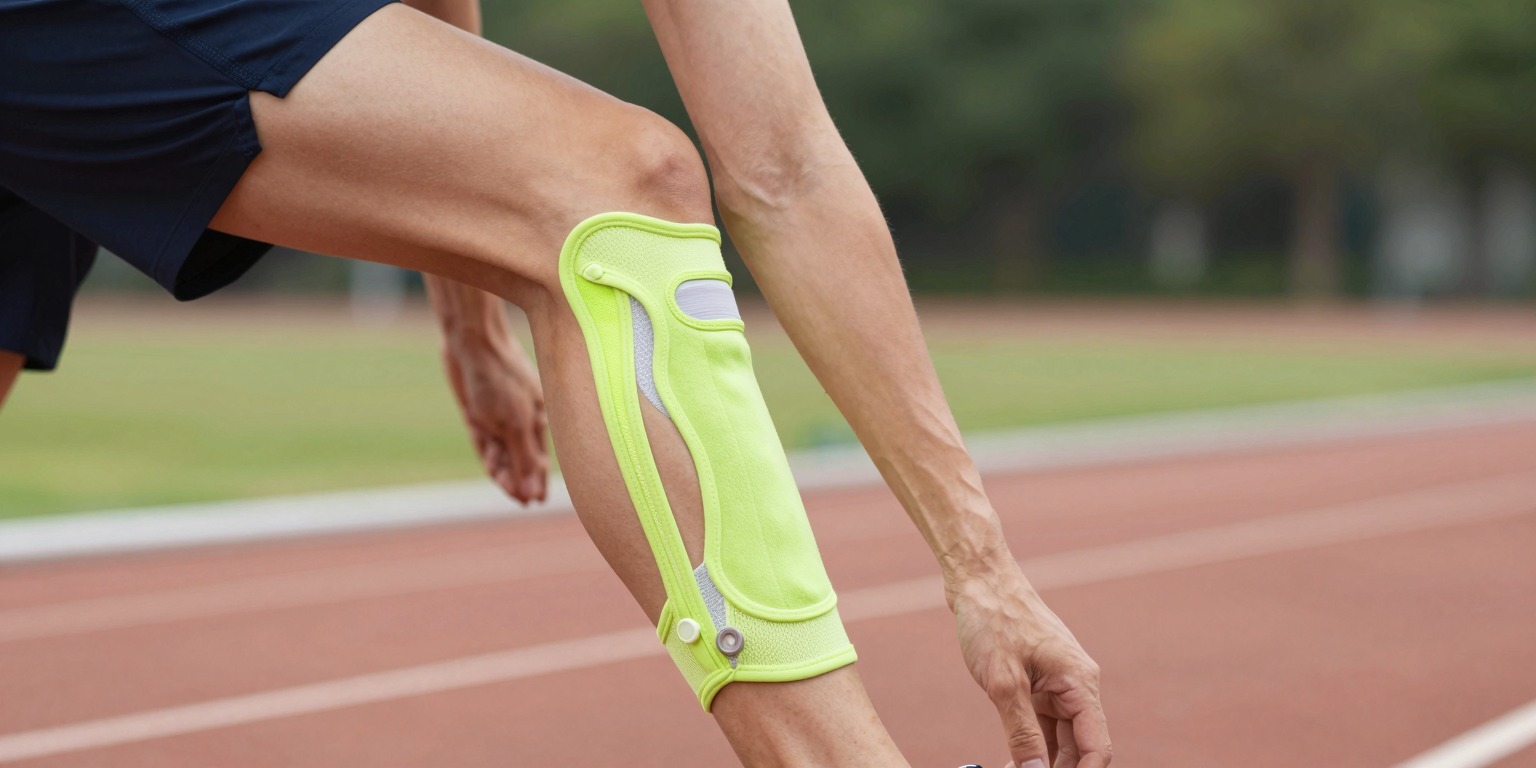 Connective tissue recovery is the most commonly cited reason athletes explore TB-500 protocols.
Reduced Inflammation
TB-500 appears to modulate inflammatory pathways at the cellular level. In several animal studies, Tβ4 treatment was associated with lower markers of acute inflammation following tissue injury. For people dealing with chronic overuse injuries or post-surgical recovery, reduced inflammation is often the primary reason they explore this compound.
Flexibility and Range of Motion
A frequently mentioned anecdotal benefit (not well-documented in literature) is improved joint flexibility and reduced stiffness during recovery phases. This may be a downstream effect of reduced inflammation and improved connective tissue remodeling rather than a direct action of the peptide.
Cardiovascular and Neurological Research
Outside the recovery context, Tβ4 has been studied for its potential in cardiac repair following heart attack and in neuroprotection following brain or spinal injury. These are active areas of genuine scientific interest, though still in preclinical or early clinical phases for specific indications. This research is separate from the athletic recovery use case but speaks to the breadth of Tβ4's biological roles.
Common TB-500 Protocols
The table below summarizes protocols that appear frequently in research literature and user communities. These are not clinical recommendations: they reflect what is commonly reported, not what has been validated in human trials.
| Phase | Frequency | Typical Dose Range |
|---|---|---|
| Loading (4-6 weeks) | 2x per week | 2-2.5 mg per injection |
| Maintenance | 1-2x per month | 2 mg per injection |
TB-500 is typically administered via subcutaneous injection after reconstitution in bacteriostatic water. If you are new to peptide reconstitution, the step-by-step reconstitution guide covers the process in detail.
Stacking TB-500 with BPC-157
One of the most common pairings in the recovery peptide space is TB-500 + BPC-157. The rationale is that the two compounds may act through complementary pathways:
- BPC-157 is thought to act more locally at the site of injury, promoting angiogenesis and gut/tendon healing
- TB-500 is thought to distribute more systemically, supporting connective tissue remodeling across the body
No human clinical trial has evaluated this combination. Users report synergistic recovery effects, but this remains anecdotal. If you want to read more about the broader category, what are peptides provides a useful foundation.
Injection Site Considerations
Because TB-500 is typically administered subcutaneously rather than directly into an injured area, injection site rotation matters for skin health and absorption consistency. Rotating between the abdomen, thighs, and flanks reduces local tissue buildup. The injection site rotation guide walks through best practices.
What TB-500 Is Not
It is worth being direct about the limits of the evidence:
- There are no completed Phase III human clinical trials for TB-500 in athletic injury recovery
- Long-term safety data in humans does not exist
- It is prohibited by WADA and most major sports governing bodies
- Regulatory status varies widely; in many countries it cannot be legally prescribed or dispensed
Anyone considering TB-500 should have a candid conversation with a physician familiar with peptide research, not rely solely on community forums or vendor marketing.
Track This with Redose
If you are running a TB-500 protocol (whether solo or stacked), keeping precise records of dose timing, injection sites, and subjective recovery markers is genuinely useful for identifying what is working. Redose lets you log each injection in one tap, tracks vial inventory so you know exactly how much is left, and rotates injection sites automatically. Protocol adherence and progress notes stay in one place, and you can export a clean PDF if you want to share your log with a doctor.
Conclusion
TB-500 benefits in the area of tissue repair and recovery are biologically plausible and supported by a meaningful body of animal research. The gap between that evidence and confirmed human clinical outcomes is real and should not be glossed over. If you explore this compound, do so with accurate dose tracking, honest self-assessment, and guidance from a qualified healthcare provider.
This article is educational information, not medical advice. Talk to a qualified healthcare provider before starting any protocol.