 Redose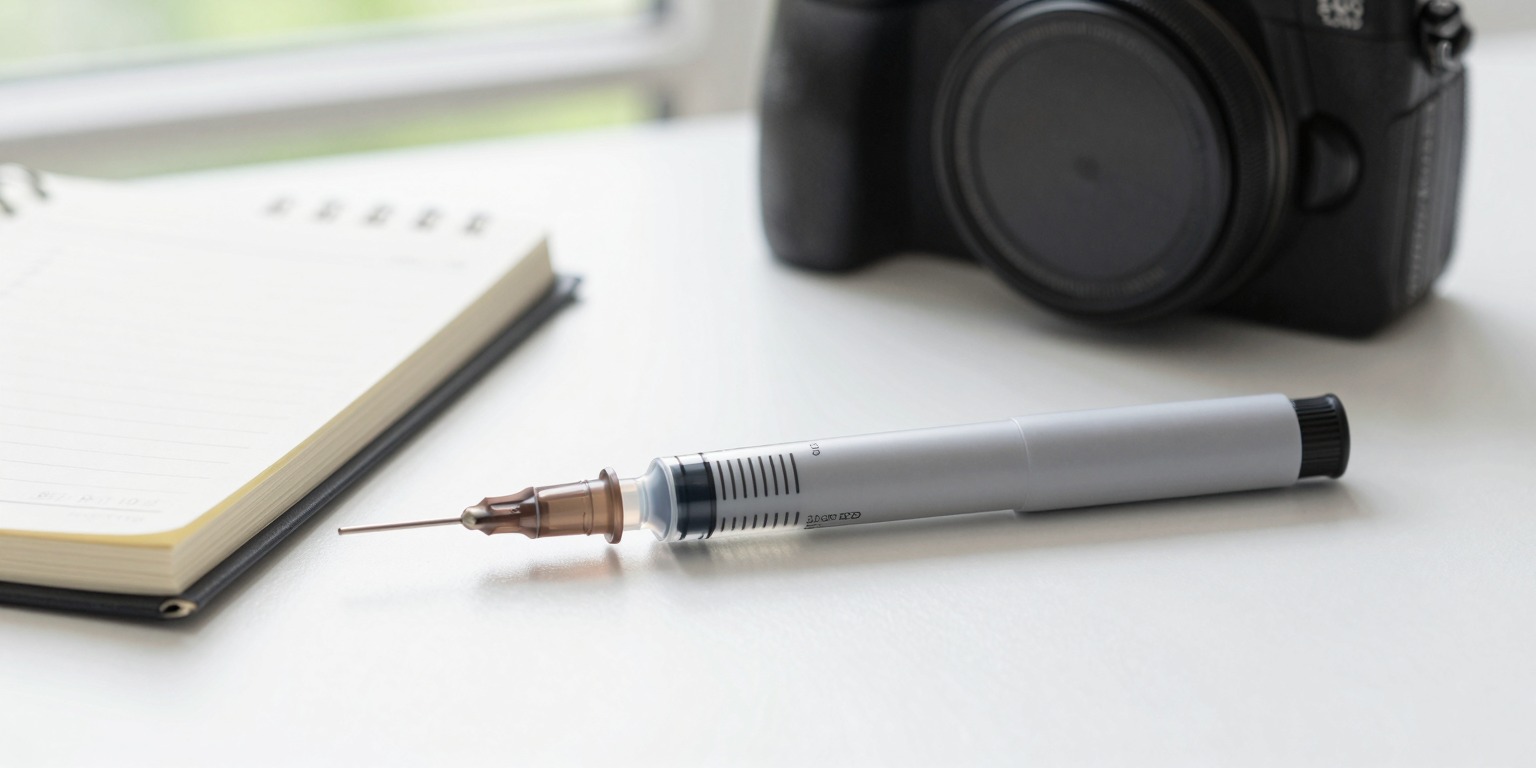
Tirzepatide dosage follows a structured titration ladder: starting low and stepping up every four weeks, designed to maximize tolerability while working toward the dose that delivers the best individual response. Understanding each rung of that ladder helps you stay on schedule, anticipate what to expect, and have informed conversations with your prescriber.
What Is Tirzepatide?
Tirzepatide is a dual glucose-dependent insulinotropic polypeptide (GIP) and glucagon-like peptide-1 (GLP-1) receptor agonist. It is approved by the U.S. Food and Drug Administration as Mounjaro (for type 2 diabetes management) and Zepbound (for chronic weight management in adults with obesity or overweight and at least one weight-related condition). It is administered as a once-weekly subcutaneous injection.
Because tirzepatide is a prescription medication, every dosing decision belongs to a licensed healthcare provider. What follows reflects the schedules studied in the SURPASS and SURMOUNT clinical trial programs and described in the prescribing information, not a personal prescription.
The Standard Tirzepatide Titration Schedule
The titration schedule below mirrors what was used across major clinical trials and appears in the FDA-approved labeling.
| Week | Dose | Notes |
|---|---|---|
| 1-4 | 2.5 mg once weekly | Starting dose; do not use for glucose control yet |
| 5-8 | 5 mg once weekly | First maintenance candidate; many patients stabilize here |
| 9-12 | 7.5 mg once weekly | Advance if 5 mg is well-tolerated |
| 13-16 | 10 mg once weekly | Mid-range maintenance dose |
| 17-20 | 12.5 mg once weekly | Optional step before maximum dose |
| 21+ | 15 mg once weekly | Maximum studied and approved dose |
Each four-week window gives the body time to adapt to the new dose level. Prescribers may choose to hold a dose longer (or to skip a step upward) depending on tolerability and clinical response. Titration is not a race.
Why Slow Titration Matters
The primary reason tirzepatide is started at 2.5 mg (a dose too low to produce significant metabolic effect on its own) is to blunt the gastrointestinal side effects that are common with this class of medication. Nausea, vomiting, diarrhea, and constipation are the most frequently reported adverse effects in trial data, and they are dose-dependent. Moving too quickly through the ladder significantly increases the likelihood and severity of these reactions.
Early research from the SURMOUNT-1 trial showed that participants who completed the full titration schedule had better long-term adherence than those who encountered tolerability problems early on. The four-week hold at each step is therefore not bureaucratic caution; it reflects what the data showed about how long the body needs to recalibrate gut motility, gastric emptying, and appetite signaling.
Key practical points:
- Always eat smaller portions, especially during the first few weeks at a new dose.
- Fatty, rich, or spicy foods tend to amplify nausea at higher dose tiers.
- Hydration matters; reduced appetite can inadvertently reduce fluid intake.
- Persistent or severe symptoms warrant a call to your prescriber, not a dose increase.
 Each four-week dose tier gives your body time to adapt before stepping up.
Maintenance Dosing: Finding Your Effective Dose
Not everyone needs to reach 15 mg. Clinical trial data demonstrates meaningful outcomes at every dose tier above 2.5 mg, and the goal is the lowest effective dose that supports your individual therapeutic target, whether that is glycemic control, weight management, or both.
In the SURPASS-2 trial (type 2 diabetes), all three maintenance doses (5 mg, 10 mg, 15 mg) produced clinically significant HbA1c reductions compared to placebo, with higher doses generally producing larger effects. In the SURMOUNT-1 trial (weight management), participants receiving 10 mg and 15 mg showed greater weight loss than those at 5 mg, but 5 mg still produced substantial outcomes over 72 weeks.
Your prescriber will weigh:
- How well you are tolerating the current dose
- Whether you are meeting your target outcomes
- Any comorbidities that influence how aggressively to titrate
What About Compounded Tirzepatide?
During periods of Mounjaro and Zepbound supply shortage, some patients received compounded tirzepatide preparations from state-licensed compounding pharmacies. Compounded versions may differ in formulation (including tirzepatide base vs. tirzepatide salts) and generally require more careful handling. If you are using a compounded preparation, your pharmacist or prescriber should provide specific reconstitution and dosing instructions. A reliable reconstitution guide covers the general process for lyophilized peptide preparations.
Injection Technique and Site Rotation
Tirzepatide is injected subcutaneously (into fatty tissue under the skin), not intramuscularly. Approved injection sites include the abdomen, upper arm, and thigh. Rotating sites with each injection reduces the risk of localized reactions such as lipodystrophy (changes in fat tissue at the injection site).
Following a consistent injection site rotation schedule is a small habit that pays off over months of weekly injections.
Missed Doses
The prescribing information guidance on missed doses is straightforward:
- Missed by 4 days or fewer: Inject as soon as you remember, then return to your regular weekly schedule.
- Missed by more than 4 days: Skip the missed dose entirely. Resume on your next scheduled injection day.
- Do not inject two doses to make up for a missed one.
Consistency with your weekly schedule matters because tirzepatide's half-life is approximately five days, meaning irregular timing can cause uneven exposure.
Tracking Your Tirzepatide Dosage With Redose
Weekly injections on a multi-month protocol generate more data points than most people can reliably remember: dose tier, injection date, site used, any symptoms noted. Redose is designed for exactly this. Log each injection in one tap, rotate through injection sites automatically, and build a timeline your provider can actually review. The app's free reconstitution calculator is also useful for compounded preparations where you need to convert concentration to injection volume.
Conclusion
The standard tirzepatide dosage protocol starts at 2.5 mg once weekly and advances in 2.5 mg increments every four weeks, up to a maximum of 15 mg. Titration is not optional; it is the mechanism that makes the medication tolerable and sustainable over the long arc of treatment. How high you go, and whether you stay at an intermediate dose, depends on your response and your prescriber's clinical judgment.
If you are tracking a tirzepatide protocol, building the logging habit early (before doses get higher and side effects more likely) makes it far easier to spot patterns and report accurately.
This article is educational information, not medical advice. Talk to a qualified healthcare provider before starting any protocol.