 Redose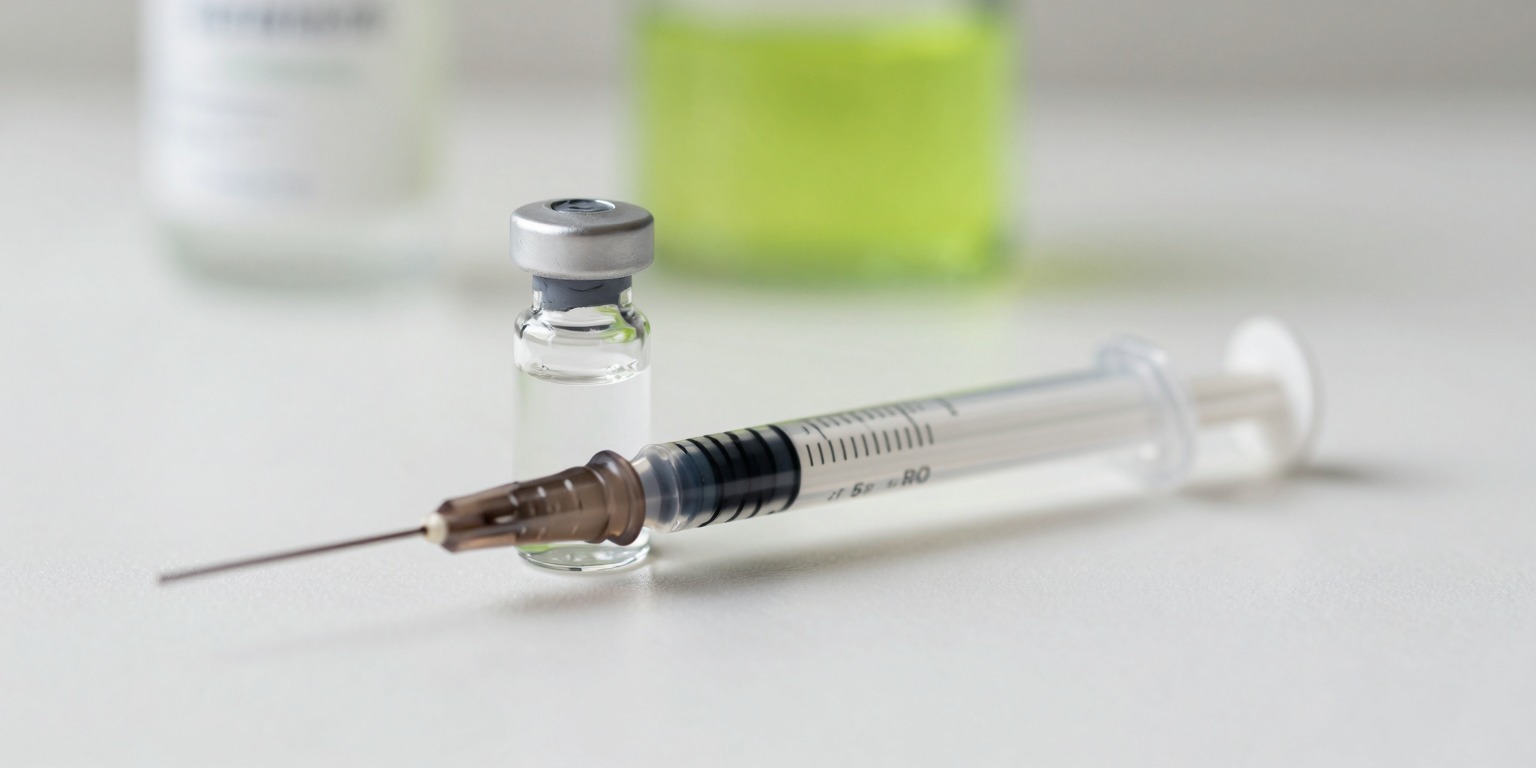
Selank is a synthetic heptapeptide developed in Russia as a non-sedating anxiolytic with potential cognitive-enhancing properties. It is an analogue of tuftsin, a peptide the human immune system naturally produces, and has been the subject of clinical research in Russia and Ukraine for generalized anxiety and stress-related conditions. It is not approved by the FDA or any Western regulatory agency and is considered investigational outside its registered markets.
What is Selank
Selank carries the amino acid sequence Thr-Lys-Pro-Arg-Pro-Gly-Pro (abbreviated TKPRPGP) and has a molecular weight of approximately 751.9 Da. It was created by scientists at the Institute of Molecular Genetics of the Russian Academy of Sciences by extending the tuftsin sequence (Thr-Lys-Pro-Arg) with a Pro-Gly-Pro tripeptide tail. That modification significantly improves metabolic stability compared with tuftsin itself, though the plasma half-life remains very short at roughly one to two minutes. The intranasal route bypasses first-pass metabolism and delivers the peptide directly to nasal mucosa and, to some degree, to central nervous system tissue via olfactory pathways.
Selank is listed in Russian and Ukrainian pharmacopoeias and has been dispensed as a 0.15% nasal solution in those markets. Outside of Russia and Ukraine, it has no approved medical use and is sold, where available, as a research compound.
How it works
Selank is described in the research literature as acting through several overlapping mechanisms:
- BDNF upregulation: Intranasal administration has been shown in rat models to rapidly elevate expression of brain-derived neurotrophic factor (BDNF) in the hippocampus. BDNF supports neuronal survival, synaptic plasticity, and mood regulation, and its modulation is a target of interest in anxiety and depression research.
- Monoamine modulation: Studies in mice found that Selank altered the concentration and metabolism of serotonin and other monoamines in brain tissue. Serotonin balance is closely linked to mood and anxiety, and this effect may contribute to its observed anxiolytic properties.
- Enkephalinase inhibition: Like its structural relative Semax, Selank inhibits enzymes responsible for degrading enkephalins and other endogenous regulatory peptides in serum. Enkephalins are endogenous opioid peptides with roles in pain modulation and stress response, and preserving their activity may amplify the peptide's calming effects.
- Immunomodulation and cytokine balance: As a tuftsin analogue, Selank influences the expression of interleukin-6 (IL-6) and shifts the balance of T-helper cell cytokines, which may be relevant to neuroinflammatory aspects of anxiety and cognitive function.
- Carboxypeptidase activity: Research in rat nervous tissue found that Selank affects the activity of carboxypeptidase H and related enzymes, though the clinical significance of this finding remains unclear.
These pathways interact and reinforce each other, which is why researchers classify Selank as a pleiotropic peptide rather than one with a single, clean mechanism of action.
What the research says
The published evidence base for Selank is modest by Western clinical trial standards but is more substantial than for many other research peptides, given its decades of investigation in Russia.
| Research area | Key findings |
|---|---|
| Anxiety and generalized anxiety disorder | Clinical studies in Russia reported reductions in anxiety symptoms comparable to traditional anxiolytics, without sedation or dependence |
| Neurasthenia | Several Russian trials investigated Selank in patients with anxiety-asthenic conditions (fatigue, cognitive fog, mild anxiety); participants reported improved mood and resilience |
| Learning and memory | Animal studies found improvements in learning acquisition and memory retention, attributed partly to BDNF elevation and serotonin modulation |
| Depression-like behavior | Preclinical models found antidepressant-like effects, including in WAG/Rij rats and BALB/c mice prone to anxiety and depressive behaviors |
| Immune modulation | Studies in patients with anxiety-asthenic disorders reported immunomodulatory effects consistent with tuftsin analogue activity |
A key finding across multiple studies is that Selank does not appear to produce the sedation, cognitive impairment, or physical dependence associated with benzodiazepines. Russian clinical comparisons against reference anxiolytics noted that Selank's effects on alertness and reaction time were neutral or mildly positive. This profile has driven continued interest in it as a candidate for non-sedating anxiety management.
Importantly, virtually all controlled clinical data originates from Russia and is published in Russian-language journals, some of which have limited peer review visibility in international databases. Large, independently run, placebo-controlled trials meeting current Western regulatory standards have not been completed. This limits how confident researchers can be about the magnitude of any effect.
For background on peptide administration methods, the injection site rotation guide and reconstitution guide are useful references for peptides that require preparation before use.
Typical dosing
There is no validated clinical dosing protocol for Selank recognized outside of Russia. The ranges below reflect what has been reported in Russian clinical literature and commonly cited research protocols. They are provided as reference information only.
| Administration route | Reported concentration | Reported dose per administration | Reported frequency |
|---|---|---|---|
| Intranasal solution | 0.15% (most common) | 250-750 mcg (1-3 drops per nostril) | 2-3 times daily |
| Intranasal (higher range) | 0.15% | Up to 1500-3000 mcg total daily | Split doses |
| Intravenous | Research settings only | Variable | Supervised only |
Cycle lengths reported in clinical contexts typically range from 10 to 14 days, with repeat courses after a break. Chronic daily use protocols have also been reported informally, though long-term data is absent.
A note on stability: like most lyophilized peptides, Selank in reconstituted solution requires refrigeration to remain stable. Working solutions degrade if left at room temperature for extended periods.
Caution: These are reported ranges from research and clinical literature, not instructions. Dosing should only be determined with qualified medical supervision.
Side effects and safety
The available evidence, primarily from Russian clinical studies, suggests Selank has a favorable tolerability profile at studied doses:
- Most commonly reported: Mild nasal irritation or stinging with intranasal administration, typically transient
- Occasionally reported: Brief dizziness or lightheadedness immediately after administration
- Not observed in available studies: Sedation, psychomotor impairment, physical dependence, or clinically meaningful withdrawal on discontinuation
- Immunological effects: Cytokine modulation has been documented; clinical significance in healthy individuals is unclear
Because Selank is a tuftsin analogue with immunomodulatory properties, individuals with autoimmune conditions or those on immunosuppressive therapy should approach it with particular caution. The absence of large independent safety trials means rare or long-term adverse effects cannot be characterized, and the risk-benefit picture outside supervised clinical settings remains incomplete.
Tracking Selank with Redose
Selank's short half-life and twice- or three-times-daily dosing schedule make consistent tracking important. Redose is designed for exactly this kind of protocol: log each administration with a single tap, set timed reminders to maintain your schedule, and track remaining solution in your vial so you know when to reorder. The free calculators at /calculators handle reconstitution math, dose unit conversions, and inventory countdowns. Download Redose at /#download for iOS and Android.
This profile is educational information, not medical advice. Talk to a qualified healthcare provider before starting any protocol.