 Redose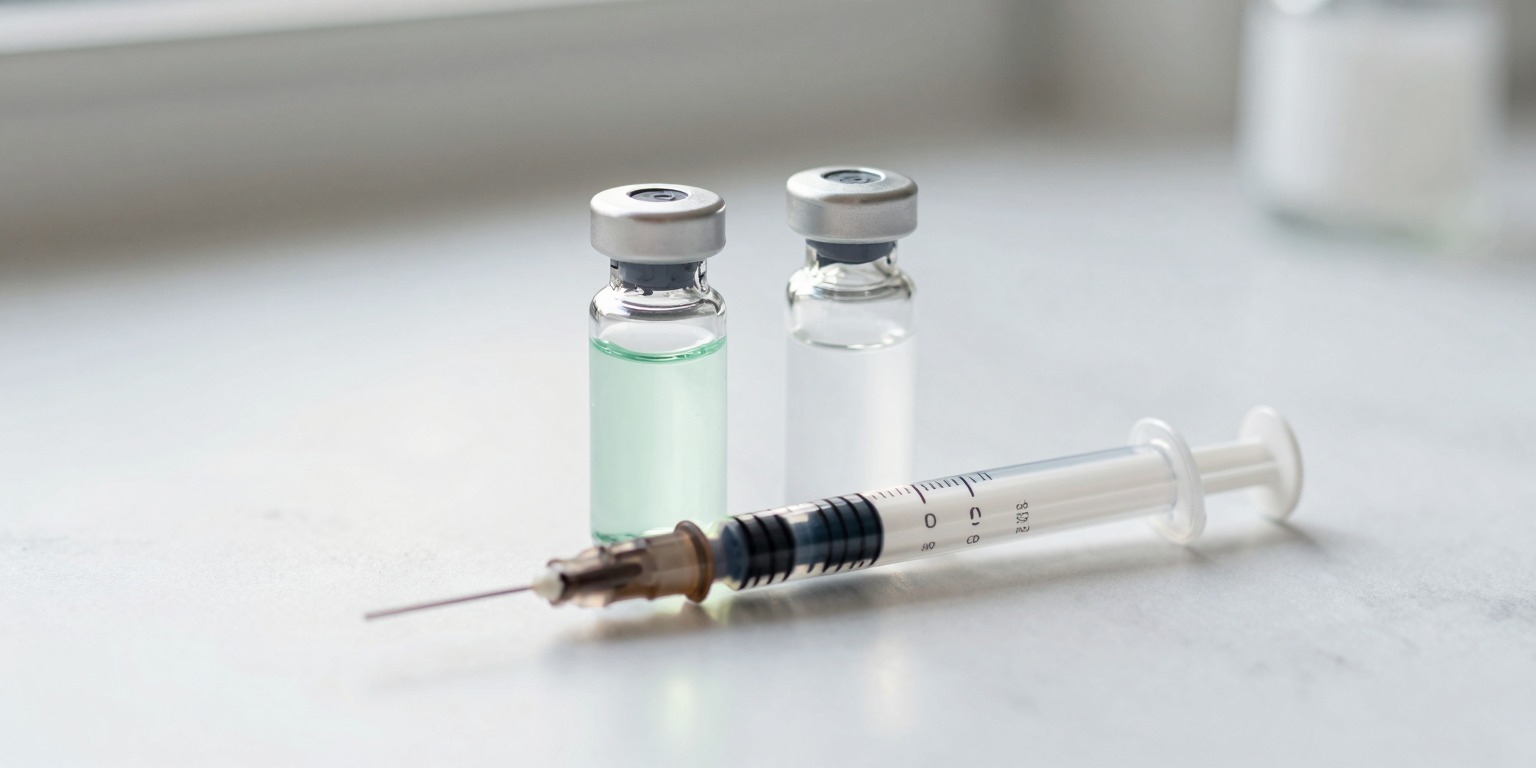
Sermorelin, also known as GRF 1-29, is a synthetic peptide representing the first 29 amino acids of human growth hormone-releasing hormone (GHRH). It stimulates the pituitary gland to secrete growth hormone, making it the shortest GHRH fragment that retains full biological activity at the receptor level. Unlike direct growth hormone therapy, sermorelin works by engaging the body's own pituitary machinery rather than replacing the hormone outright.
What is Sermorelin
Sermorelin is the acetate salt of an amidated 29-amino acid peptide (formally GHRH(1-29)-NH2 or GRF 1-29). It was first developed to study and replicate the actions of naturally occurring GHRH, which is a 44-amino acid hormone secreted by the hypothalamus. Researchers identified that the first 29 residues contain all the structural information needed to bind the GHRH receptor and trigger GH release, making sermorelin a compact and effective analog.
The compound was sold in the United States under the trade name Geref by Serono Laboratories and received FDA approval for the treatment of growth hormone deficiency in children and for pituitary diagnostic testing. Serono voluntarily withdrew all Geref products from the US market in November 2002, and the FDA has since confirmed that the withdrawal was not motivated by safety or efficacy concerns. Sermorelin is no longer available as a branded pharmaceutical in the United States, but it remains accessible through licensed compounding pharmacies, where it is prescribed off-label in adult wellness and anti-aging contexts.
How it works
Sermorelin binds to the growth hormone-releasing hormone receptor (GHRHR) expressed on somatotropic cells in the anterior pituitary gland. This receptor binding triggers intracellular signaling through adenylyl cyclase and protein kinase A pathways, which ultimately stimulates the synthesis and pulsatile release of growth hormone into the bloodstream.
Because it acts at the level of the pituitary rather than directly supplying GH, sermorelin preserves two important physiological features:
- Feedback regulation: The hypothalamic-pituitary axis remains intact. Somatostatin (the natural inhibitor of GH release) continues to exert its counterbalancing effect, which means sermorelin does not simply override the system the way exogenous GH does.
- Pulsatile secretion: GH is naturally released in pulses, particularly during deep sleep. Sermorelin administered at bedtime is thought to amplify an existing nocturnal pulse rather than produce a flat pharmacological GH elevation.
Sermorelin has a very short plasma half-life of approximately 7 to 10 minutes following intravenous administration (based on FDA clinical pharmacology data). After subcutaneous injection the absorption phase extends the window of pituitary stimulation somewhat, though precise subcutaneous pharmacokinetic data is more limited in the published literature.
What the research says
The strongest clinical evidence for sermorelin comes from its original indication: growth hormone deficiency (GHD) in pediatric patients. Multiple controlled trials conducted prior to Geref's market withdrawal demonstrated that sermorelin could stimulate GH secretion and support linear growth in children with idiopathic GHD, though the magnitude of effect was generally reported as smaller than that of direct recombinant GH therapy.
Sermorelin has also been studied as a diagnostic tool. Intravenous sermorelin administration can be used to assess whether a child's pituitary is capable of responding to GHRH, helping distinguish between hypothalamic and pituitary causes of GHD.
In adults, the evidence base is considerably thinner. There is interest in sermorelin's ability to restore or augment the blunted GH pulses that occur with normal aging (so-called somatopause). Some small studies and open-label reports have examined effects on body composition, sleep quality, and energy levels in older adults with low GH, but large, well-controlled randomized trials confirming clinical benefit in non-deficient adults are lacking. The scientific literature does not yet support confident efficacy claims in this population beyond observations from small or uncontrolled studies.
| Setting | Evidence level |
|---|---|
| Pediatric GHD treatment | Controlled clinical trials (historical) |
| Pituitary diagnostic testing | Clinical use established |
| Adult somatopause / wellness | Small studies and case series; limited controlled data |
Typical dosing
Dosing guidance for sermorelin is complicated by the fact that no currently approved labeling exists for adult use in the United States. The following represents ranges commonly reported in clinical and wellness protocols, not a validated prescriptive standard.
For adult subcutaneous use, protocols described in the practitioner literature and clinical wellness settings most commonly cite doses of 100 to 300 mcg per injection, administered subcutaneously, typically once daily at bedtime. The bedtime timing is chosen to align stimulation with the body's natural nocturnal GH pulse. Some protocols describe higher doses or more frequent administration, though there is no consensus.
Reconstitution from lyophilized powder follows the same principles as other injectable peptides: bacteriostatic water is drawn into the vial slowly, and the solution is swirled gently without shaking. The resulting concentration determines the injection volume needed per dose. The guide at /guides/how-to-reconstitute-peptides walks through this process step by step.
Caution: Sermorelin should only be used under the supervision of a licensed healthcare provider familiar with GH-axis physiology. Self-administration carries meaningful risks, including effects on glucose regulation and potential impacts on pre-existing conditions. Compounded products are not reviewed for quality, safety, or efficacy by the FDA.
Side effects and safety
Sermorelin's clinical safety profile from its approved pediatric use and diagnostic applications is reasonably well characterized for short-term use. Adverse effects reported in clinical settings include:
- Injection site reactions: Redness, swelling, pain, or bruising at the subcutaneous injection site are the most frequently reported effects.
- Flushing and warmth: Transient flushing shortly after injection has been reported, likely related to vasodilation effects.
- Headache and dizziness: Reported occasionally, typically mild and self-resolving.
- Transient facial flushing: Noted more often with higher or faster administration.
Because sermorelin stimulates GH release, downstream GH-related effects are theoretically possible at doses sufficient to substantially elevate GH levels. These include fluid retention, joint pain (arthralgias), and effects on insulin sensitivity and glucose metabolism. These concerns are more commonly associated with supraphysiologic doses or direct recombinant GH but should be considered with any GH-stimulating agent.
Sermorelin is not appropriate for individuals with active malignancies, as GH and its downstream mediator IGF-1 are known to promote cellular proliferation in some tumor types. Pregnancy safety has not been established. Individuals with known pituitary disease or hypothalamic dysfunction may not respond as expected.
Long-term safety data in healthy adults using sermorelin outside a diagnosed GH deficiency context is not available from published controlled trials. This is an important gap given the growing off-label use in wellness and anti-aging practices.
For injection site rotation guidance, see /guides/injection-site-rotation.
Tracking Sermorelin with Redose
Sermorelin protocols typically involve nightly subcutaneous injections over months-long cycles, which makes consistent tracking genuinely useful. Redose lets you log each dose with one tap, auto-rotate injection sites to prevent local tissue changes, and track your remaining vial inventory so you know when to reorder before running out. Protocol reminders are configurable to fire at your preferred bedtime, and the reconstitution calculator at /calculators helps you dial in your concentration precisely from vial size and BAC water volume. Download the app at /#download.
This profile is educational information, not medical advice. Talk to a qualified healthcare provider before starting any protocol.