 Redose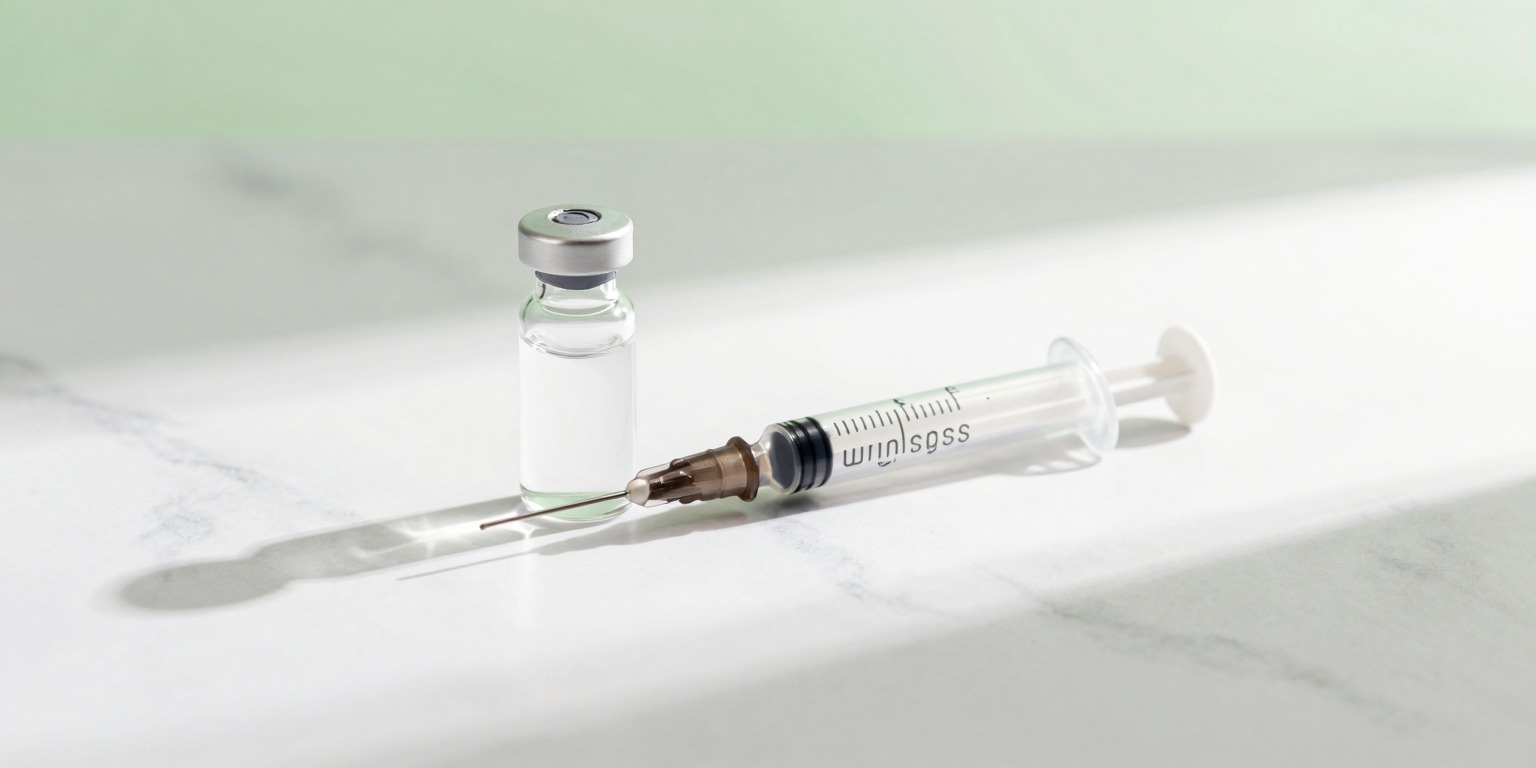
Cagrilintide is a long-acting synthetic amylin analog developed by Novo Nordisk (also referred to in early research as AM833). Engineered to last approximately seven days in the body, it is administered as a once-weekly subcutaneous injection and is currently under regulatory review as part of a fixed-dose combination product called CagriSema. As of mid-2026, cagrilintide is not approved by any major regulatory authority and remains investigational.
What is Cagrilintide
Amylin is a small peptide hormone co-secreted with insulin from the beta cells of the pancreas. Native amylin is unstable and has a very short half-life in circulation, making it impractical for therapeutic use on its own. Cagrilintide was designed to retain amylin's biological activity while achieving a pharmacokinetic profile suitable for once-weekly subcutaneous dosing. Structurally, it incorporates modifications to the native amylin backbone, including fatty acid conjugation and amino acid substitutions that reduce aggregation and extend its residence time in the body to roughly seven days.
Novo Nordisk has advanced cagrilintide primarily as a component of the CagriSema combination (with semaglutide), and an NDA for that combination was filed with the FDA in December 2025. Cagrilintide monotherapy has been studied in phase 2 trials but does not currently have its own separate regulatory filing for approval.
How it Works
Cagrilintide binds to amylin receptors, which are complexes of the calcitonin receptor paired with receptor activity-modifying proteins (RAMPs). These receptors are expressed in brain regions involved in energy balance and appetite regulation, particularly the area postrema and the hypothalamus.
Activation of these receptors produces several effects relevant to weight management:
- Appetite suppression: Reduces food intake by signaling satiety to the central nervous system.
- Slowing of gastric emptying: Delays the movement of food from the stomach to the small intestine, contributing to prolonged feelings of fullness after meals.
- Lowering of the body weight set-point: Preclinical and clinical data suggest amylin receptor agonism may act on hypothalamic circuits that regulate how much body fat the brain actively defends, though the precise mechanisms are still being characterized.
Importantly, amylin receptors and GLP-1 receptors are distinct, which means cagrilintide and GLP-1 receptor agonists like semaglutide activate different but complementary pathways. This is the mechanistic basis for the CagriSema combination strategy.
What the Research Says
The most robust human data on cagrilintide come from two phases of clinical development.
A phase 2 dose-finding trial (published in The Lancet, 2021) enrolled adults with overweight or obesity and evaluated once-weekly subcutaneous cagrilintide at doses of 0.3 mg, 0.6 mg, 1.2 mg, 1.8 mg, and 2.4 mg, compared against placebo and the GLP-1 agonist liraglutide as an active comparator. Over 26 weeks, participants receiving cagrilintide 2.4 mg achieved approximately 10.8% mean weight loss from baseline, compared to roughly 3% for placebo. The weight reduction appeared dose-dependent. Cagrilintide also produced reductions in waist circumference. Rates of vomiting were notably lower with cagrilintide than with liraglutide in that trial.
In the phase 3 REDEFINE program, the CagriSema combination (cagrilintide 2.4 mg plus semaglutide 2.4 mg) was evaluated over 68 weeks in adults with obesity or overweight with at least one weight-related complication. REDEFINE-1 reported approximately 20-23% mean body weight reduction in participants who remained on treatment, versus roughly 3% for placebo. These are among the largest weight reductions reported in a pharmacotherapy trial to date.
Research into the specific brain receptor subtypes mediating weight loss is ongoing. A 2025 study in eBioMedicine suggested amylin receptors 1 and 3 play a primary role in cagrilintide's central effects on body weight, though this remains an area of active investigation.
It is worth noting that all current evidence comes from Novo Nordisk-sponsored trials or analyses of those trials. Independent long-term safety and efficacy data are not yet available.
Typical Dosing
All dosing information below reflects ranges reported in published clinical research, not personal medical instruction. Dosing in clinical practice, if cagrilintide or CagriSema is eventually approved, would be determined by a prescribing physician.
In the phase 2 trial, cagrilintide was studied as a subcutaneous injection administered once weekly using a dose-escalation approach starting at 0.3 mg and titrating up to the target dose over several weeks. The highest dose studied in monotherapy trials was 2.4 mg per week. Dose escalation was used to reduce gastrointestinal side effects.
In the CagriSema NDA filing, the intended clinical dose is cagrilintide 2.4 mg combined with semaglutide 2.4 mg, given as a single once-weekly subcutaneous injection.
For anyone researching reconstitution or injection technique for peptides in general, the guide to reconstituting peptides and the injection site rotation guide cover the fundamentals. Subcutaneous dosing site management and rotation are relevant across this class of injectable agents.
Caution: Cagrilintide is not approved and is not available as a legitimate commercial product outside of clinical trials. Any product labeled as cagrilintide sold through research chemical or grey-market channels has not been evaluated for purity, potency, or safety.
Side Effects and Safety
Based on phase 2 and phase 3 clinical trial data, the most commonly reported adverse events with cagrilintide include:
| Category | Commonly Reported Events |
|---|---|
| Gastrointestinal | Nausea, vomiting, diarrhea, constipation, decreased appetite |
| Local | Injection-site reactions (redness, bruising) |
| General | Fatigue, headache |
In the phase 2 monotherapy trial, nausea was reported in approximately 24-31% of participants at the 2.4 mg dose. In the CagriSema combination, nausea rates were higher, consistent with the combined GI effects of both agents. Gradual dose escalation in trials was specifically implemented to manage these gastrointestinal effects.
Longer-term safety data are limited given the compound's investigational status. Individuals with a personal or family history of medullary thyroid carcinoma or multiple endocrine neoplasia syndrome type 2 are typically excluded from amylin analog and GLP-1 agonist trials given the precautionary stance applied to this class, though the specific risk for cagrilintide has not been independently established.
No head-to-head safety comparison with other approved weight loss agents currently exists in the peer-reviewed literature. For context on how agents in this broader class compare, see the semaglutide vs. tirzepatide comparison.
Tracking Cagrilintide with Redose
If you are participating in a cagrilintide clinical trial or working with a provider who has prescribed a related protocol, Redose can help you log each weekly dose, track injection sites with automatic rotation reminders, and monitor your inventory so you always know how many doses remain. The free reconstitution and dosing calculators handle the math for subcutaneous injectables so nothing gets miscalculated. Download the app at /#download to get started.
This profile is educational information, not medical advice. Talk to a qualified healthcare provider before starting any protocol.