 Redose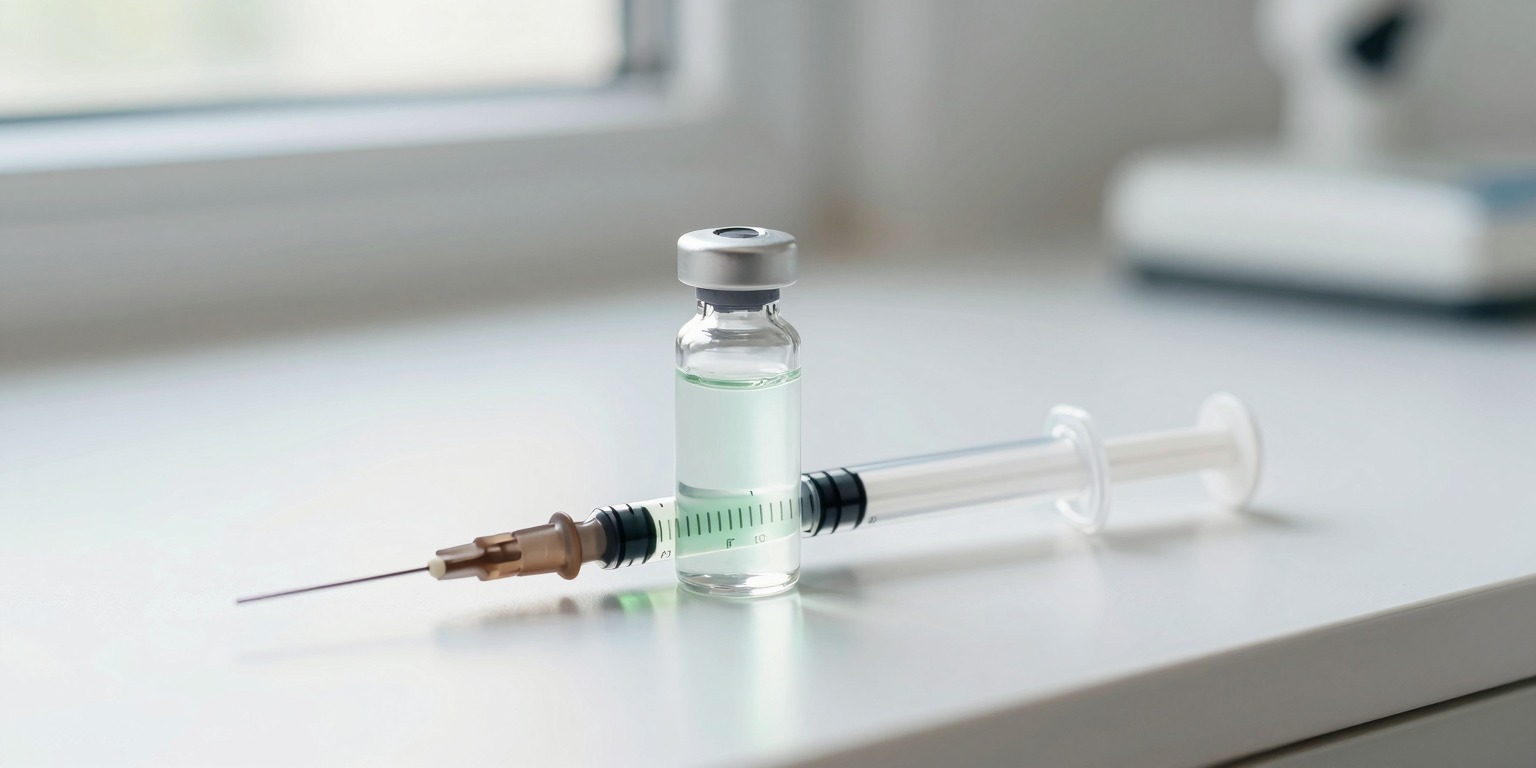
Retatrutide, also known by its development code LY3437943, is an investigational peptide being developed by Eli Lilly and Company. It simultaneously activates three hormone receptors: the glucagon-like peptide-1 (GLP-1) receptor, the glucose-dependent insulinotropic polypeptide (GIP) receptor, and the glucagon receptor. This triple mechanism places it in a distinct class beyond the dual agonists currently approved for obesity and type 2 diabetes.
What is Retatrutide
Retatrutide is a 39-amino-acid synthetic peptide linked to a C20 fatty diacid moiety, a structural feature that extends its half-life to approximately 6 days and makes once-weekly subcutaneous dosing practical. It is not FDA-approved and is not available outside of authorized clinical trials. All uses described here relate to investigational research and trial protocols.
The compound emerged from Eli Lilly's incretin research program as a next step beyond tirzepatide, their approved dual GLP-1 / GIP agonist. By adding glucagon receptor activity, Lilly's researchers aimed to layer energy-expenditure and lipolysis signals onto the appetite and insulin pathways already engaged by GLP-1 and GIP agonism.
How it Works
Retatrutide works through three complementary pathways:
- GLP-1 receptor activation: Slows gastric emptying, reduces appetite and food intake, and stimulates glucose-dependent insulin secretion. This is the same receptor targeted by semaglutide and the other currently approved GLP-1 agents.
- GIP receptor activation: Enhances insulin secretion in a glucose-dependent manner and appears to amplify the weight-reducing effects of GLP-1 agonism. Retatrutide shows particularly potent activity at the human GIP receptor relative to native GIP.
- Glucagon receptor activation: Increases hepatic glucose output (offset at therapeutic doses by the insulin-stimulating GLP-1 / GIP actions), promotes lipolysis in adipose tissue, and in animal models stimulates thermogenesis in brown fat. The net metabolic effect in humans at clinically studied doses appears to contribute to additional fat mass reduction beyond what GLP-1 agonism alone achieves.
Together these actions reduce caloric intake, slow digestion, and appear to increase energy expenditure, addressing obesity through multiple converging mechanisms.
What the Research Says
The most cited human evidence comes from a Phase 2, double-blind, randomized, placebo-controlled trial (NCT04881760, published in the New England Journal of Medicine in 2023). This trial enrolled 338 adults with a BMI of 30 or higher (or 27 or higher with at least one weight-related condition) and treated them with once-weekly subcutaneous retatrutide at doses of 1 mg, 4 mg, 8 mg, or 12 mg, or placebo, for 48 weeks.
Key efficacy findings at 48 weeks:
| Dose group | Mean body weight change | Participants losing 15% or more |
|---|---|---|
| Placebo | -2.1% | 2% |
| 1 mg | -8.7% | Not reported separately |
| 4 mg | -17.1% | 60% |
| 8 mg | -22.8% | 75% |
| 12 mg | -24.2% | 83% |
In a separate analysis of longer-term data reported by Lilly (80 weeks, 12 mg cohort), average weight loss reached approximately 28% of starting body weight. Phase 2 results are exploratory; Phase 3 TRIUMPH trials are ongoing and results are pending.
Early-phase data also show reductions in HbA1c, waist circumference, fasting glucose, systolic and diastolic blood pressure, and improvements in markers of liver steatosis and kidney function. These are preliminary signals and require Phase 3 confirmation.
For context on how these results compare to the currently approved class, see semaglutide vs tirzepatide.
Typical Dosing
Retatrutide has not received regulatory approval; there is no officially sanctioned dosing regimen for clinical use. The ranges described below come exclusively from clinical trial protocols and published research. They should not be read as personal prescribing guidance.
In the Phase 2 trial, participants were assigned to target doses of 1 mg, 4 mg, 8 mg, or 12 mg once weekly by subcutaneous injection. Lower starting doses (2 mg) were used as an on-ramp before escalating to the 4 mg and higher targets, to reduce gastrointestinal intolerance. Participants reached maintenance doses over a period of weeks according to protocol-defined escalation schedules.
If you are enrolled in a clinical trial involving retatrutide, your site's clinical team defines your dosing schedule. Do not adjust doses independently.
For general information on preparing and administering subcutaneous peptide injections, the reconstitution guide and injection site rotation guide provide step-by-step references applicable to many investigational peptide protocols.
Important: Retatrutide is investigational and is not legally available for purchase or use outside of clinical trial participation.
Side Effects and Safety
The safety profile observed in Phase 2 trials is broadly consistent with the GLP-1 receptor agonist class, with some additional signals:
Gastrointestinal effects (most common):
- Nausea
- Diarrhea
- Vomiting
- Constipation
These occurred predominantly during dose escalation, were mostly mild to moderate in severity, and were more frequent at higher doses. Starting at 2 mg rather than 4 mg reduced but did not eliminate them.
Cardiovascular:
- Dose-dependent increases in resting heart rate were observed, peaking around week 24 and declining afterward. The clinical significance of this finding over longer follow-up periods is under investigation in Phase 3.
Other signals:
- One case of pancreatitis was reported in the 12 mg group in the Phase 2 trial. As with all GLP-1 receptor agonist-class drugs, pancreatitis is a recognized risk to monitor.
- A small number of major adverse cardiovascular events were reported across groups; the Phase 3 program includes dedicated cardiovascular outcomes work.
Long-term safety data are not yet available. As with all investigational compounds, unknown risks may emerge in larger and longer studies.
If you track weight, metabolic markers, or peptide protocols, consider exploring the best peptides for fat loss resource for context on how retatrutide fits alongside other agents in current research.
Tracking Retatrutide with Redose
If you are enrolled in a clinical trial that includes retatrutide, keeping accurate records of doses, injection sites, timing, and side effects is important for both your safety and the quality of data you contribute. The Redose app lets you log each injection in one tap, tracks your injection site rotation history, and gives you a timeline of your protocol at a glance. Download the app at /#download or use the free reconstitution and unit calculators to cross-check concentrations before your injection.
This profile is educational information, not medical advice. Talk to a qualified healthcare provider before starting any protocol.